If there’s a dish that screams Rome, it’s vignarola
Here it comes: the sublime dish of the spring time.When the sun starts to warm a little more and a steaming plate of vignarola arrives on the table… you can say that winter is truly over. Vignarola is a simple, peasant recipe that Romans have passed down for generations.
The origin of the name
The term vignarola actually refers to vignaroli, a word in Roman dialect that indicates greengrocers. These were the farmers who worked the vineyards and vegetable gardens outside Rome, in areas such as the Castelli Romani or the Agro Pontino, known for their extensive vineyards. In spring, when pruning the vines, the farmers also harvested what the garden offered them. In fact, vignarola is a dish that teaches you to cook with what the land offers, to respect nature’s times and to value simplicity. Its origin probably dates back to the Renaissance period, although its roots go even further back in time, to an era in which Roman cuisine was made of simple but expertly combined ingredients.
But what is vignarola?
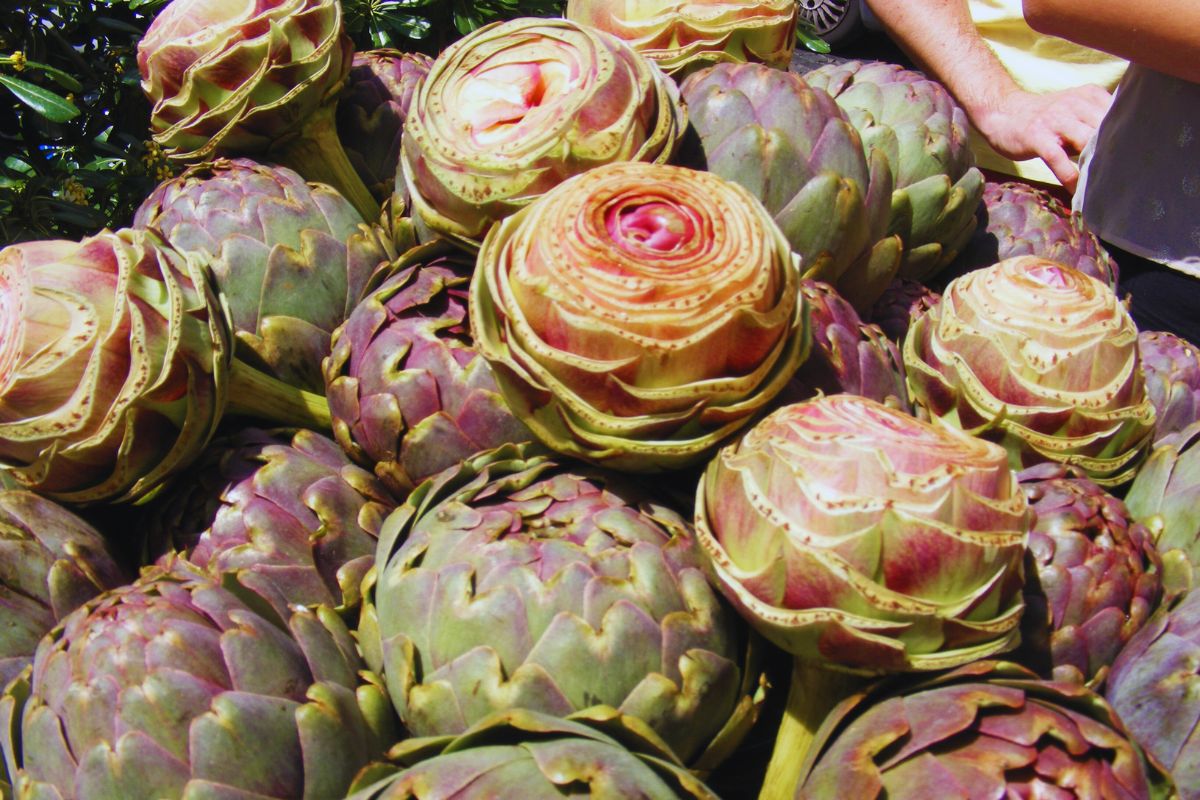
It is a typical Roman cuisine recipe that is typically enjoyed in spring, when winter retreats and nature awakens. A green symphony, light but very tasty. It is prepared with a mix of spring vegetables at their freshest: broad beans, peas, artichokes, romaine lettuce, fresh spring onions and roman mint. A kind of stew of freshly picked vegetables. It is said that Roman farmers prepared it with what they had available, often using vegetables that grew in the vineyards or nearby fields. Nothing was wasted, everything was enhanced. The vegetables are cooked slowly in olive oil, and if desired a splash of white wine, creating a dressing that enhances the genuine flavors of each ingredient.
The scent of vignarola
From a peasant meal, vignarola has become a symbolic dish of Roman spring cuisine. Some say it was the Sunday dish in the villages outside Rome. Children helped peel the beans and the peas, grandmothers cut the artichokes with the skill of a surgeon and the scent filled the entire house. Unlike today, Sunday meals were essential for conviviality. And vignarola represented one of those moments. All it takes is a spoonful and it’s done! The scents and flavors of this dish speak of Roman cuisine. It’s not just cuisine: it’s tradition, it’s affection, it’s memory.

Vignarola is a recipe that changes with the hand of the person who makes it
The beauty of vignarola is also in its versatility. Despite the large quantity of vegetables, it is not a veggie recipe. In the traditional one, in fact, guanciale is a must. However, some Roman chefs have reinvented it as a filling for savory pies or gourmet crostini. Some put pancetta in it, others want it vegetarian and light. Some add a little Roman mint (mentuccia romana), some add white wine, some serve it warm on bruschetta. But the base is always the same: seasonal vegetables, good olive oil, and slow cooking that brings out all the flavor. Vignarola is still a wild card in the kitchen. It can be a side dish for roast meat, but also a sauce for pasta or rice. Also delicious the next day.

The recipe for vignarola
Handed down from generation to generation, the recipe is never the same. For us, guanciale and a sprinkling of pecorino romano cheese are a must.
(for 4 people)
2 Roman artichokes
500 g of peas
500 g of fresh broad beans
1 head of romaine lettuce (not too large)
1 lemon
2 fresh spring onions
Extra virgin olive oil
40 g of guanciale
Pecorino romano cheese q.b.
salt and pepper to taste
Clean and peel the artichokes well, divide them in half and then into segments. Leave them in water and lemon juice to prevent them from blackening. Shell the peas and broad beans. Wash and cut the lettuce into strips that are not too small. Heat the olive oil in a pan and let the thinly sliced spring onions wilt together with the diced guanciale. When everything is lightly browned, add the artichokes, peas and broad beans, then salt and pepper. Leave to cook on low heat for about ten minutes. Finally add the lettuce and continue cooking, always on low heat for another quarter of an hour. A secret is not to add water. Once plated, add a drizzle of raw extra virgin olive oil and a sprinkling of pecorino romano cheese. Enjoy!
If you’d like this recipe in vegan or vegetarian version, just skip the ingredients.
If you want to taste some of the most typical Roman dishes, book one of our Food tours!