One of those Italian comfort foods that taste like family Sundays.
With the arrival of summer season, every Italian has only one thing on his mind! Eggplant Parmigiana! But where does this delight come from? Let’s find out together.
A question of origins
Parmigiana di melanzane, contrary to what one might think, is not originally from Parma. It seems absurd, given the name, but the truth is a bit more complex. As often happens in cooking, the origins are lost in the folds of history and regional traditions. In reality, there are three regions that compete for the paternity of the dish: Sicily, Campania and Calabria.
Sicily
It is said that eggplants arrived with the Arabs around the year 1000. There, the cultivation of this vegetable took hold and entered the daily culinary tradition. The term parmigiana could derive from the Sicilian parmiciana, which indicates the slats of wooden shutters, those stacked one on top of the other. Just like the layers of eggplants on the plate. Another theory states that the term derives directly from petronciana, a term of Persian origin which means eggplant, before taking the name mela insana, standing for poisonous apple.
Naples
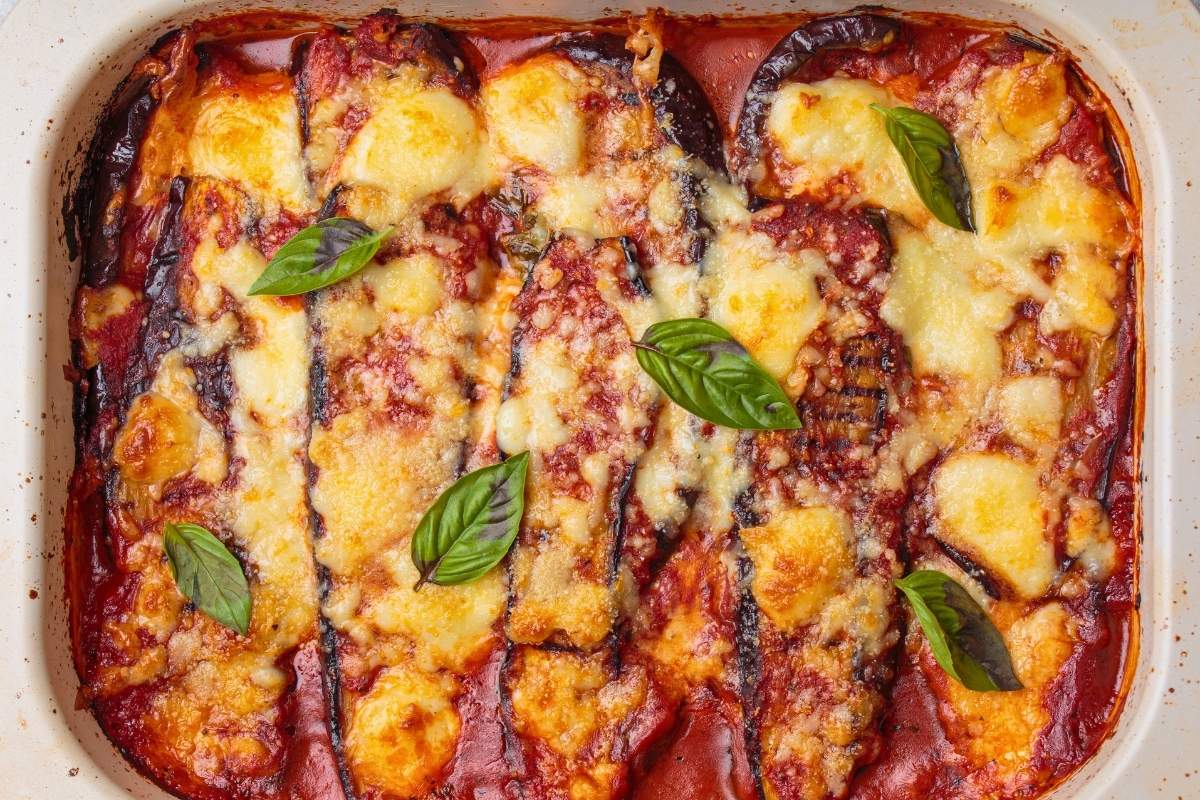
Here, parmigiana has become a classic of popular tradition. The presence of mozzarella and tomato sauce, introduced after the discovery of America, reinforce the idea that the modern version is the daughter of Neapolitan cuisine, rich and generous in flavor.
Calabria
This region claims the dish with a variant that is often more rustic and spicy, as in the best Calabrian tradition. Here too, eggplants are the protagonists of peasant cuisine and parmigiana is a festive dish.
Historical testimonies of the eggplant parmigiana
Vincenzo Corrado, a gastronome and chef from Apulia region who served the most important aristocratic families of 18th-century Naples, first mentioned this recipe in the book Cuoco galante in 1733. However, Corrado uses zucchini instead of eggplants in his recipe. Fried in lard, seasoned with parmigiano cheese and butter and then baked again. The recipe most similar to today’s is by Ippolito Cavalcanti. In his Cusina casarinola co la lengua napolitana from 1839, he describes the eggplant parmigiana very well. “And you will fry the eggplants and then arrange them in a pan in layers with cheese, basil and stew broth or tomato sauce and cover them and let them stew”.
The Eggplant in Parmigiana
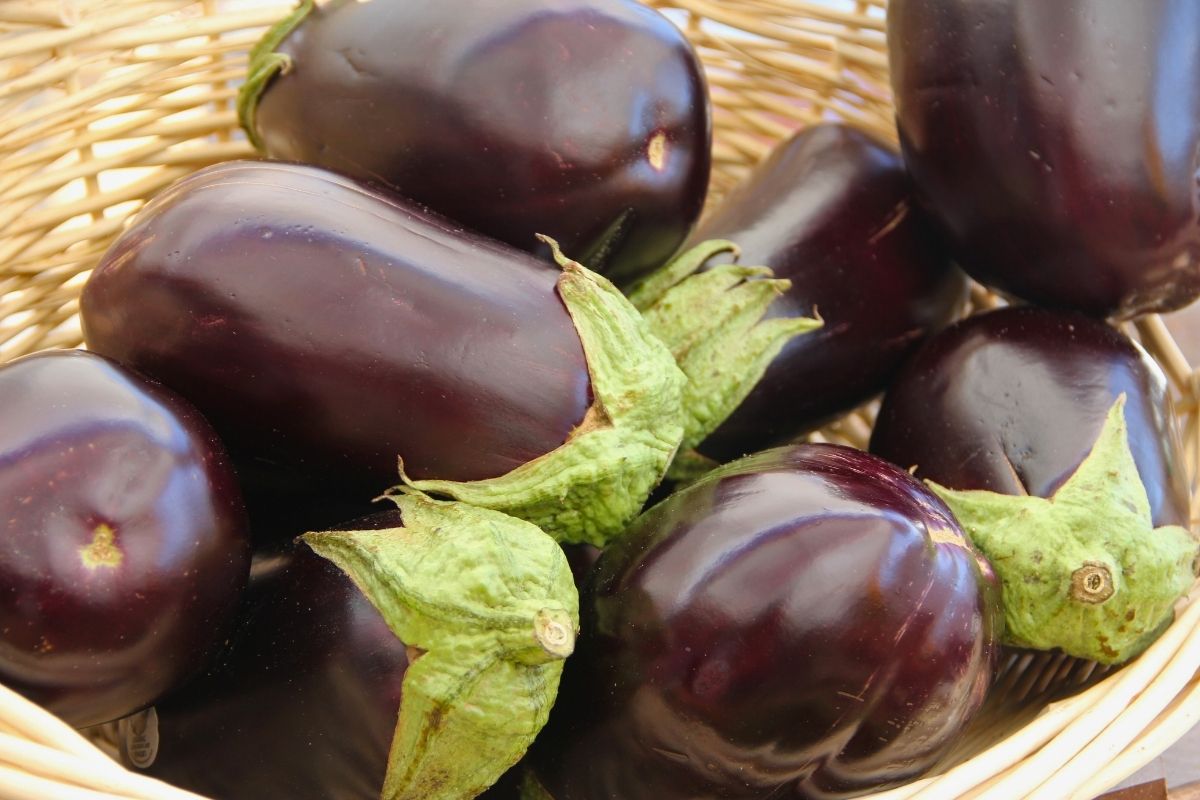
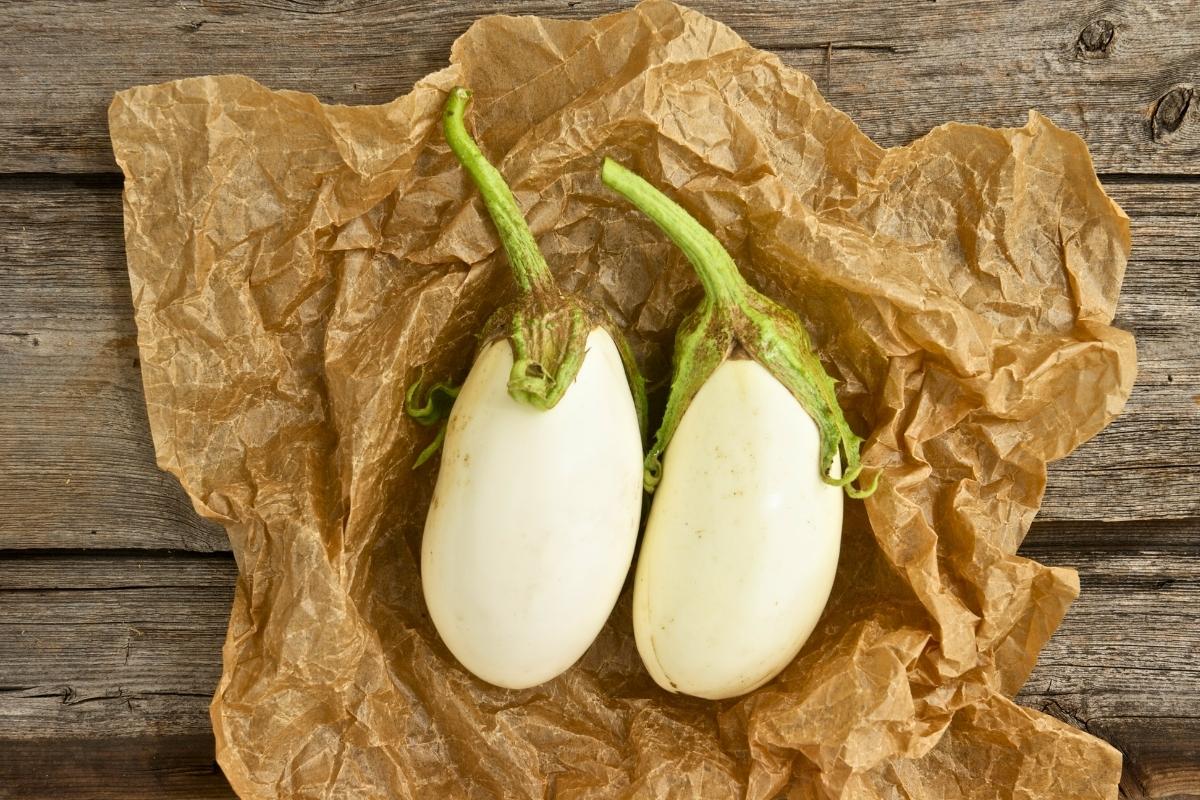
Eggplant arrived in Italy when the Arabs brought it from India via Spain and Sicily. But even for this vegetable, as for the tomato, it was not all downhill. In fact, it was thought to be toxic and a long time passed before it was eaten safely. The types of eggplant most used for this dish are three. The black eggplant, the most common variety, with dark skin and light pulp. It has a sweet flavor and a meaty consistency and is ideal for frying. The purple eggplant with light purple skin and tender pulp, appreciated for its delicate flavor. Finally, the white eggplant, less common but much appreciated. It has light skin and sweet pulp and is less bitter than the other varieties.
Eggplants and cheese
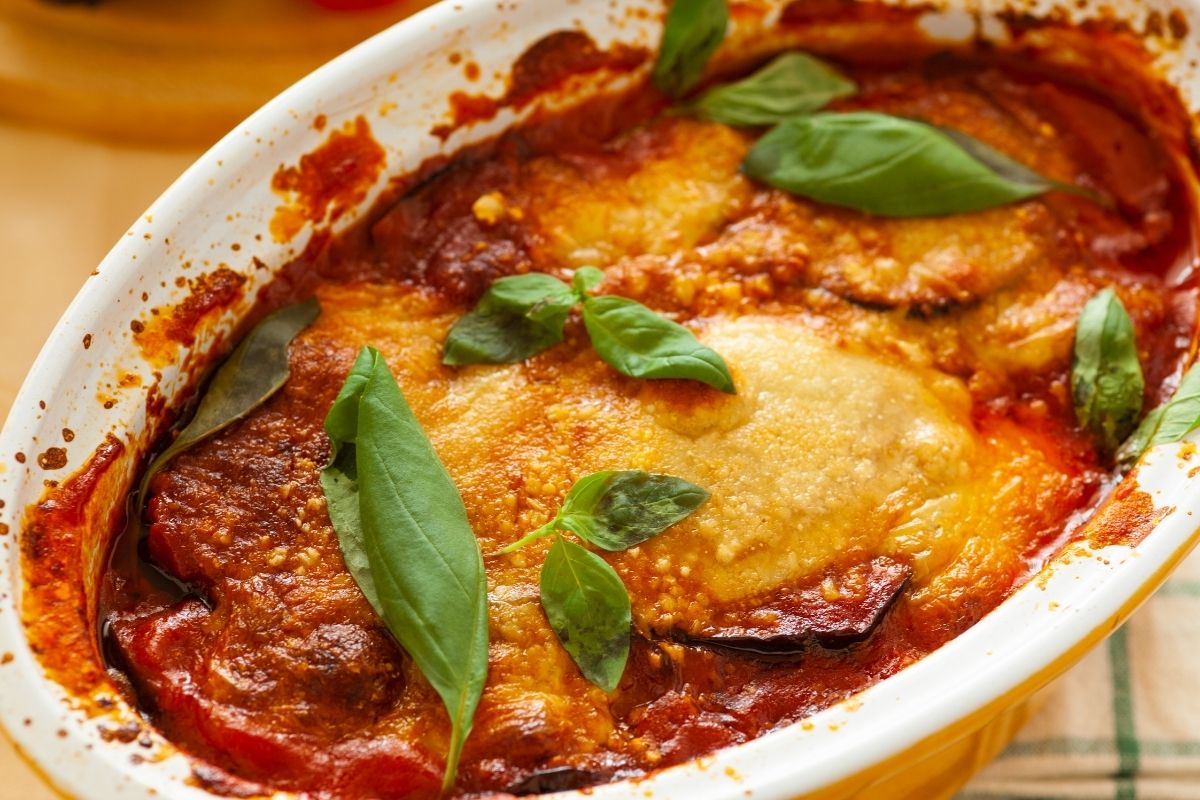
Layers of fried eggplant, homemade tomato sauce, fresh basil and a generous drizzle of stringy cheese… Parmigiano or mozzarella? The use of Parmigiano would later be used as an alternative to Pecorino cheese. Later, the Neapolitans would also add mozzarella. After all, the recipes for Sicilian and Neapolitan parmigiana are very different. In Sicily, the eggplants are fried directly in slices, in Campania they are dipped in egg and flour.
Parmigiana? Yes! Here is the recipe!
Parmigiana is not just food: it is memory, tradition and pride. Over time, parmigiana has traveled around Italy (and the world), and has transformed. Today you can find versions with zucchini, artichokes, potatoes… even fish! But the original, the one that grandmothers and starred chefs agree on, is always eggplant. Fried, strictly. Even if someone dares to grill it, but we don’t judge (too much). Below is our personal recipe for eggplant Parmigiana (and its tomato sauce).
Ingredients
2 eggplants
4 tablespoons extra virgin olive oil
1/4 fresh basil leaves, chopped
2 cups tomato sauce
Fresh mozzarella, thinly sliced
1/2 cup freshly grated Parmigiano Reggiano
For the tomato sauce
1/4 cup extra virgin olive oil
1 onion, diced
4 garlic cloves, peeled
2 cans peeled whole tomatoes
salt
Preparation
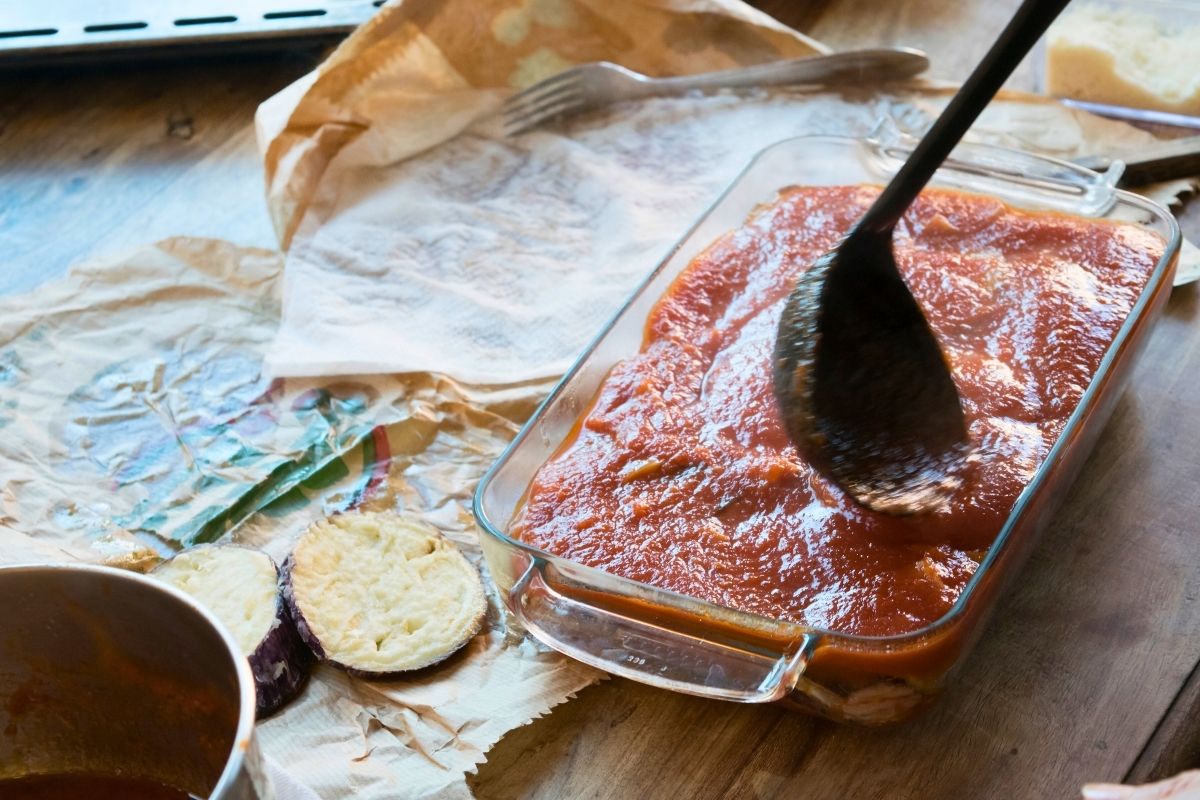
Wash and dry the eggplants with paper towels. Cut the eggplants horizontally. Place the slices in a large colander, sprinkle with salt and set aside to rest for about 30 minutes. Drain and rinse the eggplants and dry them again. Heat the extra virgin olive oil in a pan until smoking. Fry the eggplants on both sides. On a baking sheet, arrange the eggplant slices. Add 2 tablespoons of tomato sauce to each slice along with a thin slice of mozzarella. Sprinkle with Parmigiano cheese. Repeat the layering process until all the ingredients are used up and finish with a final sprinkle of Parmigiano. Place the sheet in the oven and bake until the top is golden and crispy, about 15 minutes.
For the sauce
In a saucepan, heat the olive oil over medium heat. Add the onion and garlic and cook until soft and golden, about 8-10 minutes. Add the tomatoes and simmer for 30 minutes until thick. Season with salt and serve. This sauce will keep for 1 week in the refrigerator or up to 6 months in the freezer. Alternatively, a good tomato puree would also work well for the Parmigiana.