Imagine Italian cuisine without tomato?
Unthinkable! Yet, for many moons, this scrumptious veggie was nowhere on Italian plates.
Red tomato
One of the main requirements of the tomato is its red color. However, originally the tomato had completely different characteristics. The wild tomato, or Solanum racemigerum, is native to western South America. At the time was yellow, smaller and different than today. The Mayans and Aztecs in particular began to cultivate it in the form most similar to the one we know. During the occupation, between 1519 and 1521, the conqueror Hernan Cortés noticed this particular food and wanted to bring it with him to Spain. Here, the term tomatl for the natives was borrowed, hence the name tomate.

The Pomme d’amour
After Spain, the first Italian regions to credle tomatoes were Sardinia, and Sicily. Here they nicknamed it Pumurammuri, a term assimilated from the French Pomme d’amour, due to its alleged aphrodisiac properties. In the Central-Southern regions, however, the term Pomo d’oro raised. Later modified to Pommarola in Naples, due to the color of the first fruits arrived in the country. The first documentation that testify the encounter between the tomato and Italy dates back to 1548. In Pisa, Cosimo de’ Medici received, from the Florentine estate of Torre del Gallo, a basket of tomatoes grown from seeds donated to his wife, Eleonora of Toledo, on the side of her father, Viceroy of the Kingdom of Naples.
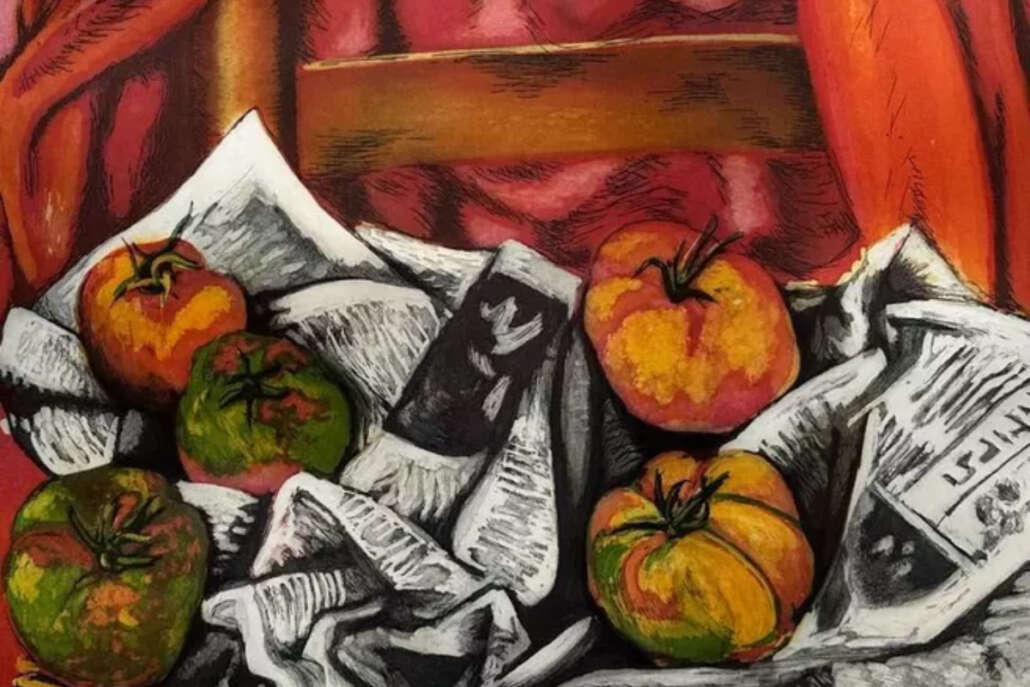
A mysterious fruit
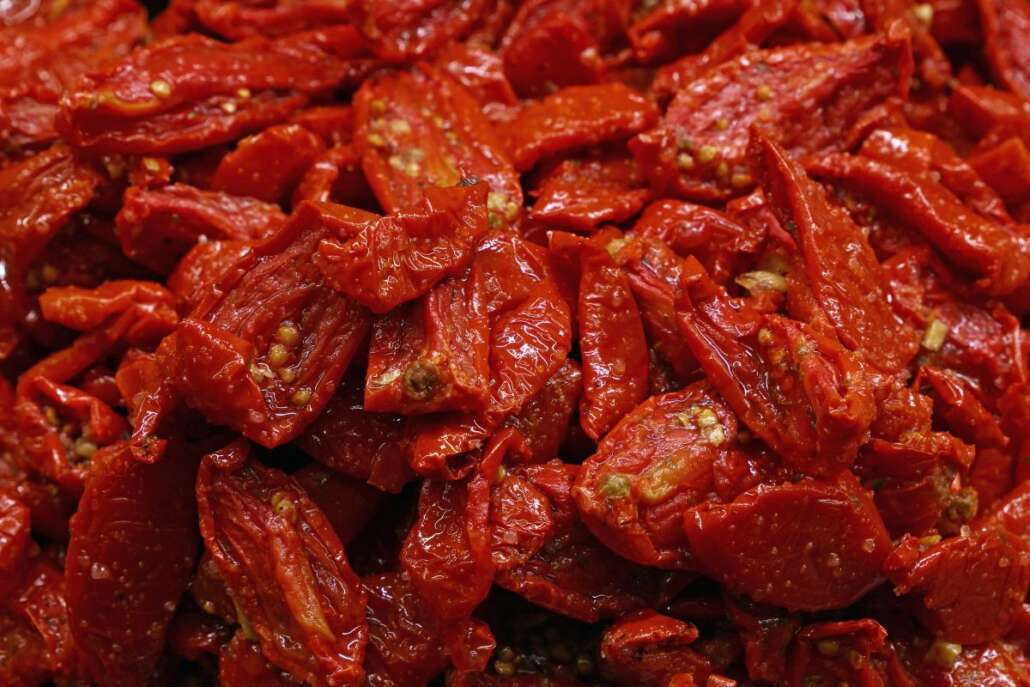
When the tomato first arrived in Europe, and Italy in particular, it was not met with instant success. Rather, created skepticism, as people struggled to identify it with any pre-existing food. Considering tomatoe to be poisonous, similar to the lethal Belladonna plant, people avoid to eat it for some times. Europeans, who were unfamiliar with vegetables, often consumed the fruit when it was still unripe. Making it particularly indigestible due to the high solanine content. As a result, the poor tomato became regarded as either repulsive or toxic, and was relegated to ornamental use. It wasn’t until the 18th century that the tomato began to gain wider acceptance as a food in the gastronomic world. In the Campania region of Italy, the tomato became a puree, or, sometimes a fried or sun-dried veggie.
National product
Sicily, Lazio and Campania are the three italian regions that comprise 70% of national tomato production. But at the farmers’ market, how can we recognize a good product? For the tastiest ones you need to pay attention to the color of the tomatoes which is the most important aspect. A beautiful red color indicates that the tomato is ripe and the advice is to rub the part around the stem with your fingers. If you smell the typical aroma of tomato it means that the fruit is ripe enough. In summer the fruit is tastier, but even in winter you can eat a good tomato salad. Just choose the Camone, Costoluto and Cuore di bue varieties from Sardinia and Sicily.

Varieties and combinations
Between all the varieties of Italian tomatoes, the first is San Marzano, the prince of sauce! The best typical Neapolitan dishes, such as ragù and pizza sauce, can not exist without this ingredient. It has a very thin skin and an elongated and irregular shape ending in a small tip, the so-called “pizzo”. Second is the Ciliegino. It is the classic small and spherical tomato known throughout the world. The most famous of the cherry tomatoes is the Pachino tomato. Juicy and very sweet, you can eat them like candy and use them in many recipes, from pasta with fresh cherry tomatoes to baked eggplants and Pachino. Third is the Ramato. Very famous because easy to grow. Smooth, thin skin and fleshy pulp. It is excellent on bruschetta and for the famous Caprese.
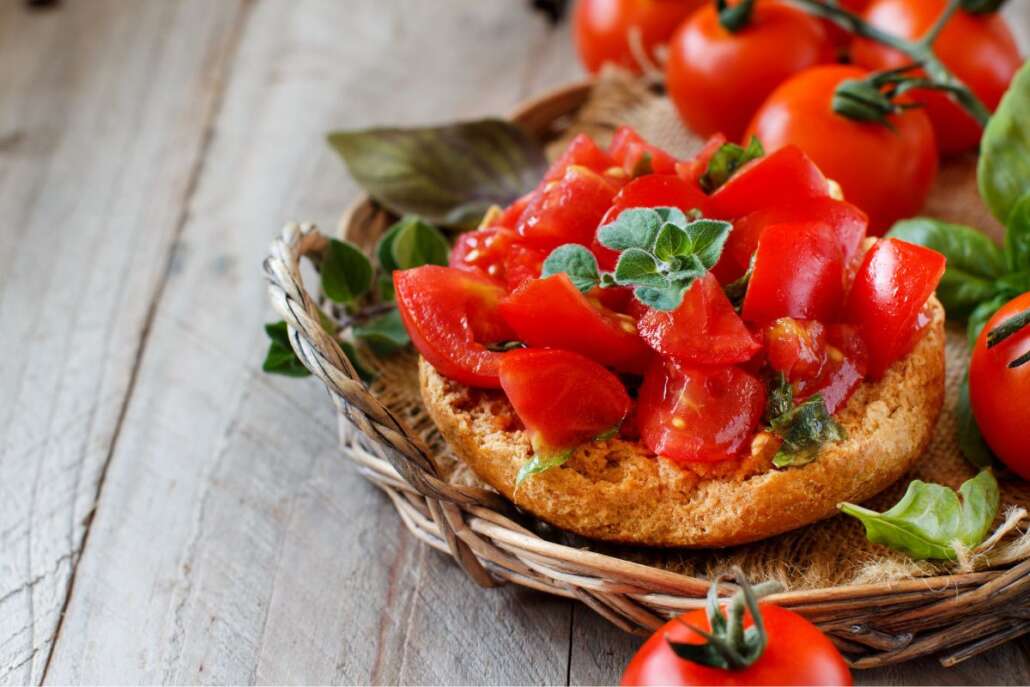
Tomato pairing game.
Tomato can be paired with garlic, basil and oregano, on bruschetta or friselle with a generous amount of Extra virgin olive oil. But also with watermelon! Its flavor stands out in particular with spiciness, as in Pasta all’Arrabbiata. The combination with cinnamon is eccentric and apparently adds warm notes to the acidity of the tomato.Likewise many vegetables, the pairing with wine is quite hard. Wine and tomatoes are like two stubborn superstars who refuse to play nice together. The sour tang of the tomato clashes with bold red wines. But, don’t despair, dear wine lovers! With a little finesse in the wine selection game, we can still savor a glass of wine with our tomato dish. It’s all about finding the perfect match.

Red or white wines?
When it comes to pairing white wine with tomatoes, it’s important to choose a wine that has a fresh taste and moderate acidity level. This helps to prevent the acidity of the tomato from overpowering the wine. It’s worth noting that the freshness of a wine is directly tied to its age. A young white wine will have a high acid content, making the mouth water, but over time it will lose this characteristic and develop a more balanced flavor. A beautiful plate of tomato-based heaven, and what could make it even better? A ruby red glass of vino! But wait, there’s a catch. The wine must be light and breezy with a subtle taste and gentle finish. We don’t want to feel like we’re chewing on tree bark, so low tannins are key. These wines are the perfect accomplice to bold, punchy flavors like a hearty fish soup. Get ready to sip and slurp in perfect harmony.