Do you know the recipe we are about to prepare? Pasta alla Gricia!
When we talk about Roman cuisine, dishes like carbonara or cacio e pepe immediately come to mind. But few know her: pasta alla gricia. Simple, rustic and incredibly tasty.
What is gricia?
Gricia is a traditional first course in Lazio, especially in the area around Rome. It is prepared with very few ingredients: guanciale (the cheek of the pork), pecorino romano, pasta (usually rigatoni or mezze maniche), salt and pepper. No tomato, no eggs, no cream. Just pure and sincere flavor. It is precisely this simplicity that makes gricia so special. The guanciale is browned until it becomes crispy and releases its fragrant fat, which then envelops the pasta together with the pecorino cheese and a little cooking water to create an irresistible cream. A dish that is poor in origin but rich in flavor!

The origins of Gricia
The history of Gricia is not very precise, but there are some rather fascinating theories. One of the most accredited claims that the dish was born before the arrival of the tomato in Europe. So we are talking about a pre-Amatriciana era. In fact, the tomato was imported from the Americas only in the 16th century, but it took centuries before it became a permanent part of Italian recipes. The name Gricia could derive from the Roman term gricio. In papal Rome, the Grici were food sellers who took this name because they came from a Swiss canton of Valtellina, called Grigioni. It is considered the daughter of cacio e pepe and the mother of Amatriciana.
Roman table curiosities
A curious thing is that, despite being less famous than carbonara or amatriciana, gricia is beloved by chefs and purists of Roman cuisine. Many say that it is the ultimate test for those who want to try their hand at traditional dishes: if you can make a good gricia, you are on the right track! Furthermore, it is one of the ideal dishes for those who want an authentic taste of Rome without having to resort to overly elaborate or rare ingredients. All you need is a good guanciale, some quality pecorino, and you are done.

What you need to prepare it are only 3 ingredients, but of excellent quality
–Pasta
–Pecorino romano
–Guanciale
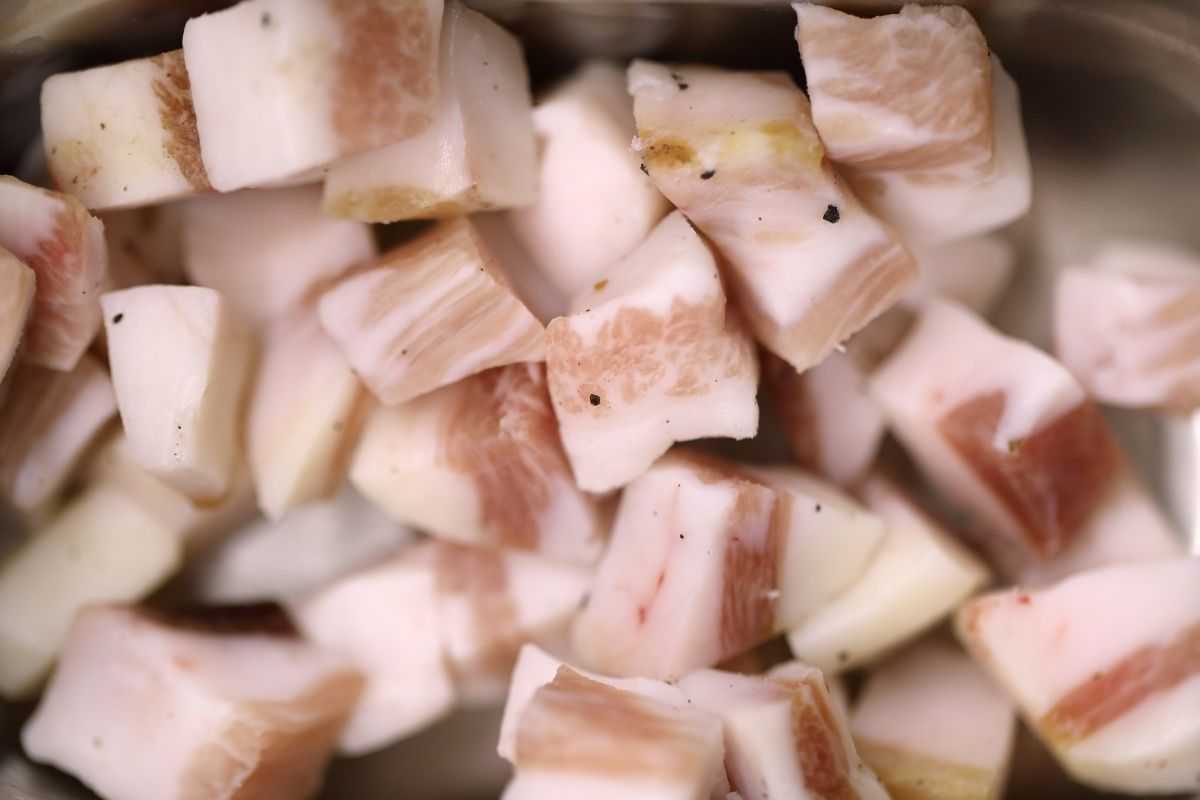
Guanciale is essential, pancetta is not the same thing! For the original pasta alla gricia you can’t go wrong. This is the mantra that you must make your own to earn the respect of any Roman foodie. The secret to the success of the dish lies in the cutting and cooking of the guanciale. Another important ingredient is the pasta water, for a perfect cream!
Proceed as follows
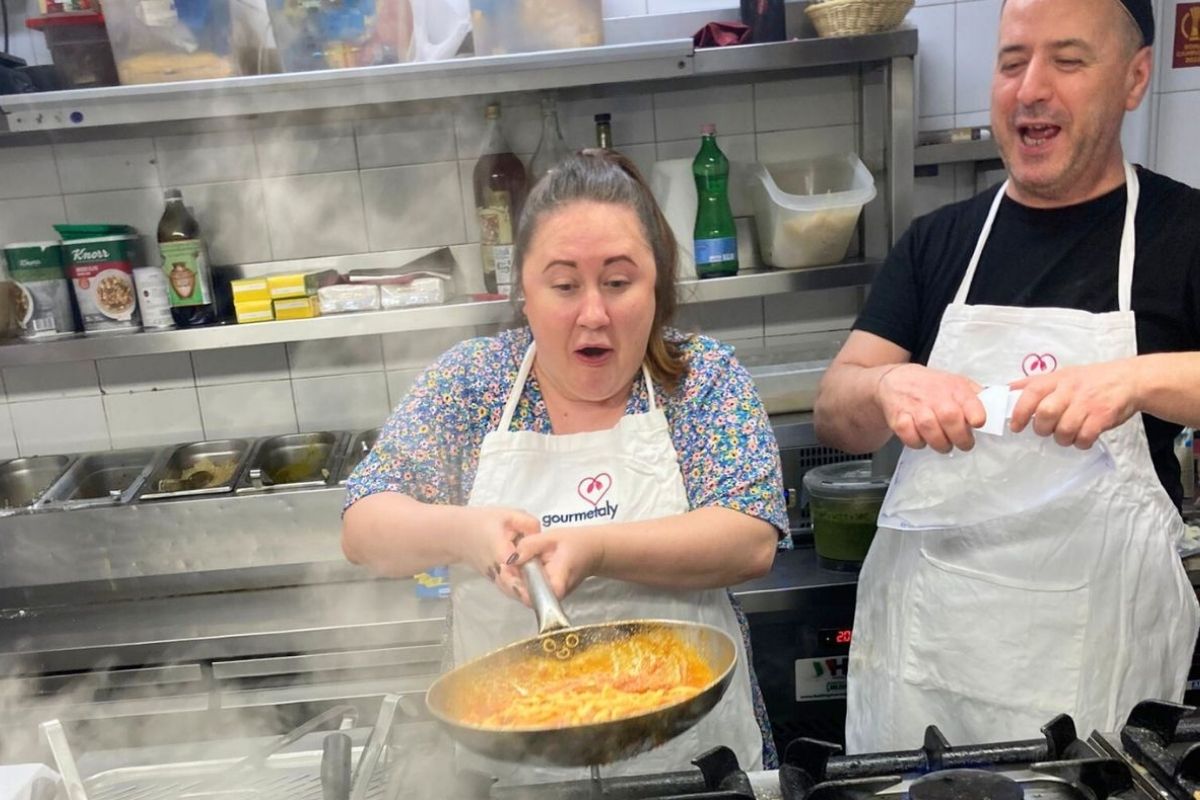
First, cut the guanciale into strips 1cm wide and 0.5cm thick. For four people you will need at least 250gr of peppered guanciale. In a very hot pan, let the guanciale fat melt. Cook basically until the meat is browned. It should become crispy and a nice caramel color. At this point, remove the guanciale from the pan and set it aside. In the meantime, cook the pasta for 2 minutes less than the cooking time indicated on the package. In the pan with the guanciale fat bottom, sauté the pasta for the last 2 minutes of cooking and mix it well with the sauce. For four people, use at least 350g of pasta. Finally, remove the pan from the heat, add a ladle of cooking water and the grated pecorino romano. Mix well until you obtain a cream. For four people you will need at least 60g of pecorino.
How to serve pasta alla gricia
Add the guanciale you set aside and garnish with more grated pecorino. This recipe is also the basis for two other equally tasty recipes: carbonara and amatriciana. This is where the magical power of Roman cuisine comes to the fore: add the egg and you have carbonara, add the tomato and you have amatriciana. But Gricia is also splendid in its simplicity, guaranteed! Accompany your dish with a nice glass of white wine such as Frascati Superiore, Est Est Est, Orvieto or Fiano. And remember: no oil, no garlic, no onion. Just guanciale and pecorino. Just like Roman grandmothers would have it.