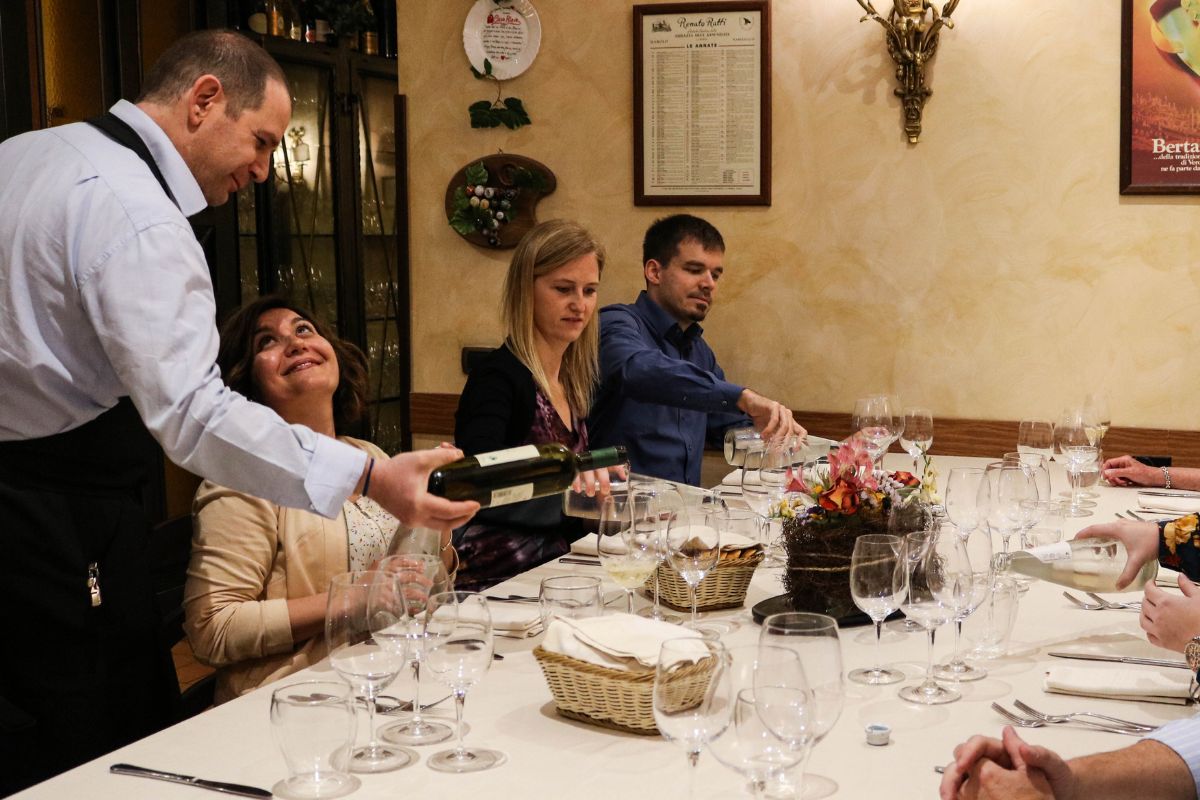
How do you taste wine? Can you really tell a good wine from a great one?
Here’s a great way to start understanding and evaluating this incredible beverage: take part in a guided wine tasting.
Many people love wine, but fery few truly know how to appreciate its characteristics. Learning about wine is absolutely possible—and it’s fun, too.
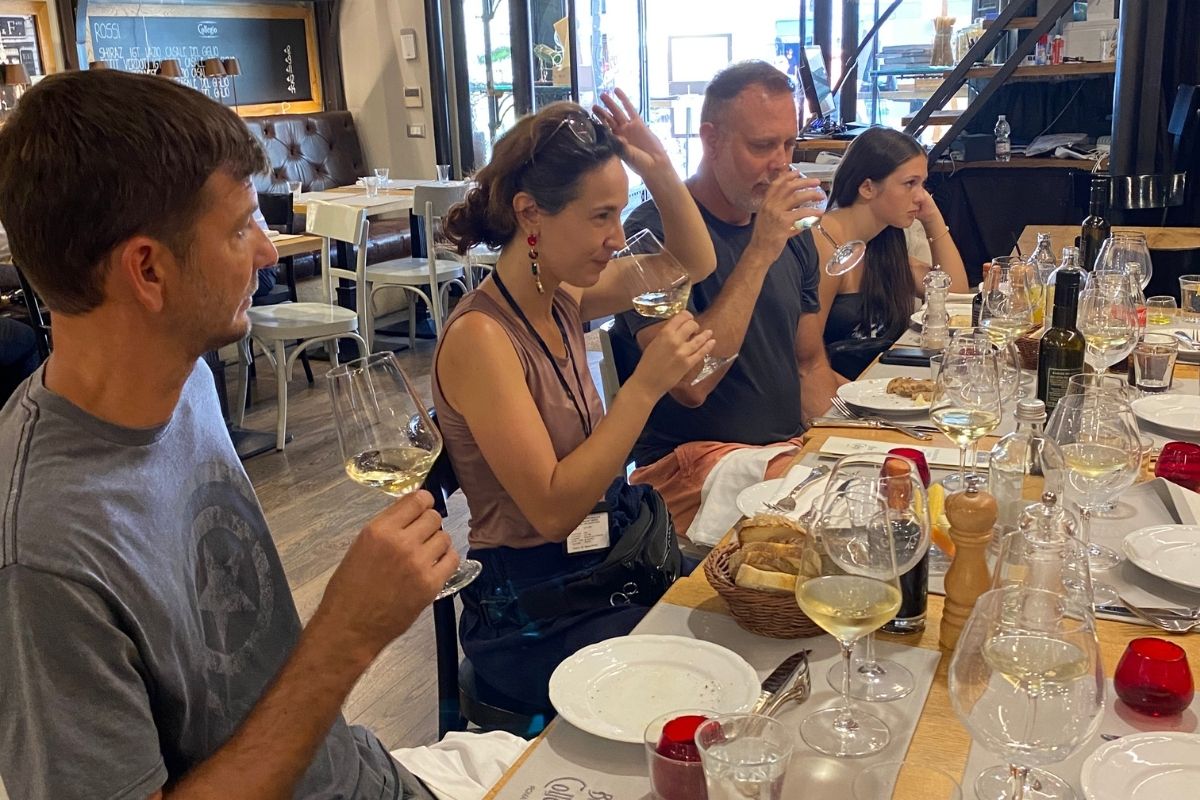
Wine tasting: a complete sensory experience
When we talk about wine tasting, we’re not just talking about drinking—it’s about enjoying an experience that engages all the senses. Tasting goes far beyond simple pleasure. It’s a deeper analysis of a wine’s characteristics, such as color, aroma, flavor, and even how it evolves over time. First comes observation: visual analysis can tell us a lot about a wine’s origin and aging. A young red wine, for example, will have a brighter, more vibrant color, while a more mature one tends to become lighter and more transparent. Then comes the nose. Smelling the wine reveals its aromas: fresh wines often show fruity notes, while with time more complex scents can appear, such as earth, spices, or leather. A wine’s bouquet tells the story of its journey—from vineyard to grape variety, from fermentation to aging—each stage leaving its mark.
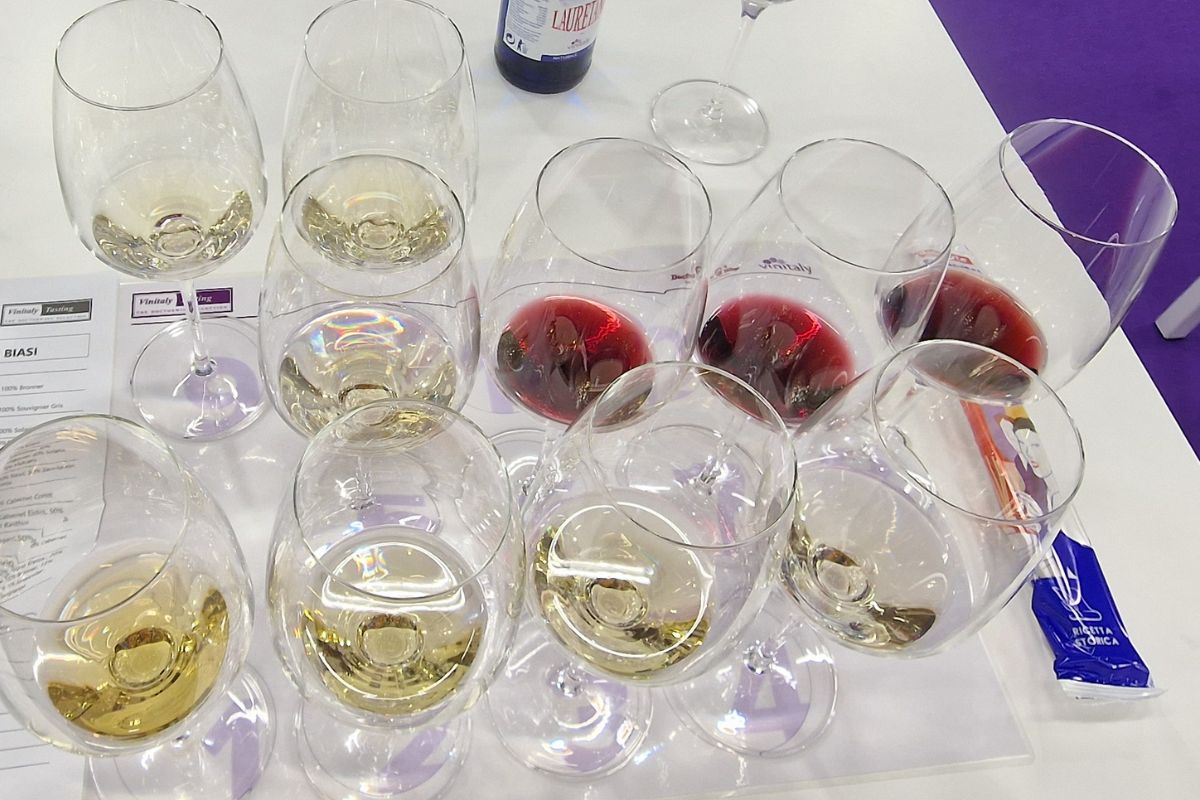
About Wine and aging
Another fascinating aspect of tasting is understanding a wine’s evolution. Every wine—whether a full-bodied red or a fresh, fruity white—changes over time. The younger it is, the more acidity and freshness it usually has. A mature wine, on the other hand, often becomes rounder and softer. Experts and beginners alike agree on one thing: opening a bottle at the right moment makes all the difference. Knowing when a wine is ready isn’t easy, but it becomes more intuitive with knowledge of the grape variety and aging process. Ultimately, what we want is to taste a wine at its peak—not too early, not too late. This is where the taste-and-aroma phase comes into play: when the wine reaches the palate, it should be well balanced between sweetness, acidity, tannins, and alcohol. Flavor should never overpower overall harmony.
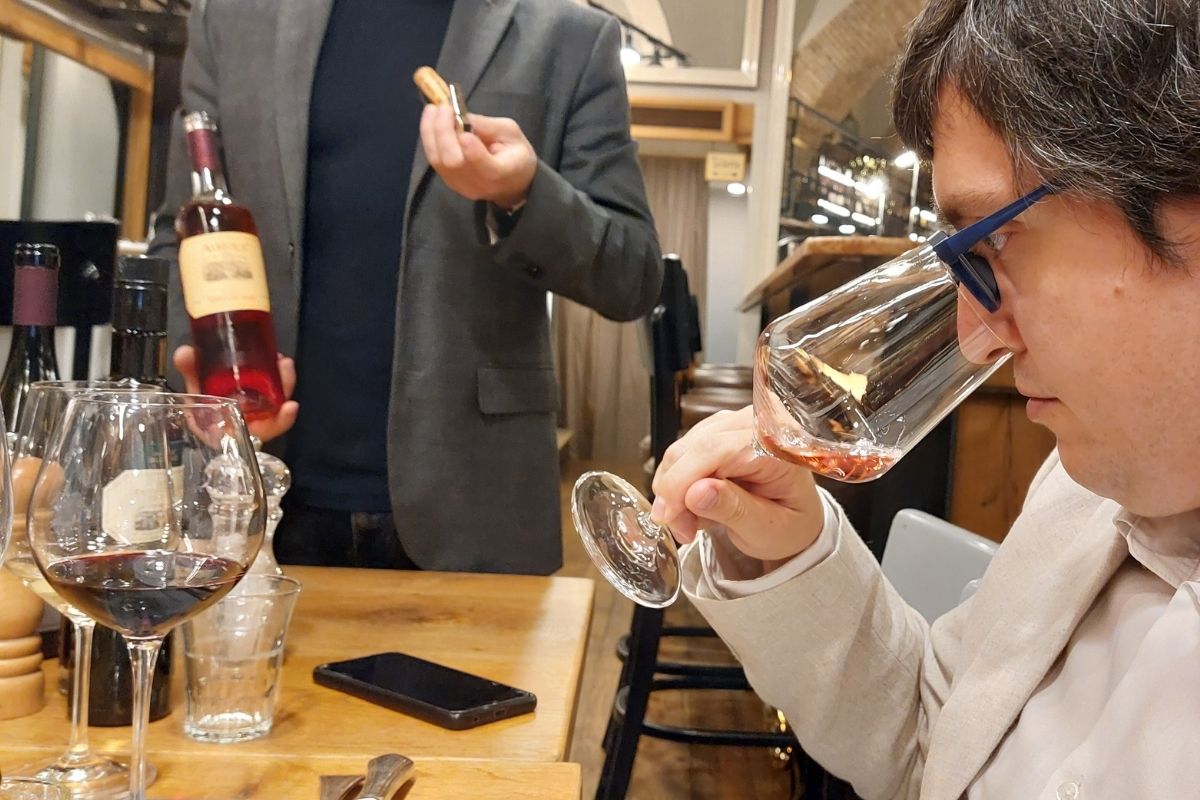
Revealing the secrets of wine tasting
Wine tasting isn’t something to rush. There are a few simple techniques that make all the difference. The surrounding environment matters: strong odors are a definite no. Temperature is just as important—an overly warm red or an ice-cold white won’t express its true potential. Another helpful tip is not to overdo it: if you’re not used to tasting, six or seven wines in one session are more than enough to avoid tiring your palate and sense of smell.
Food pairing: an art to be learned
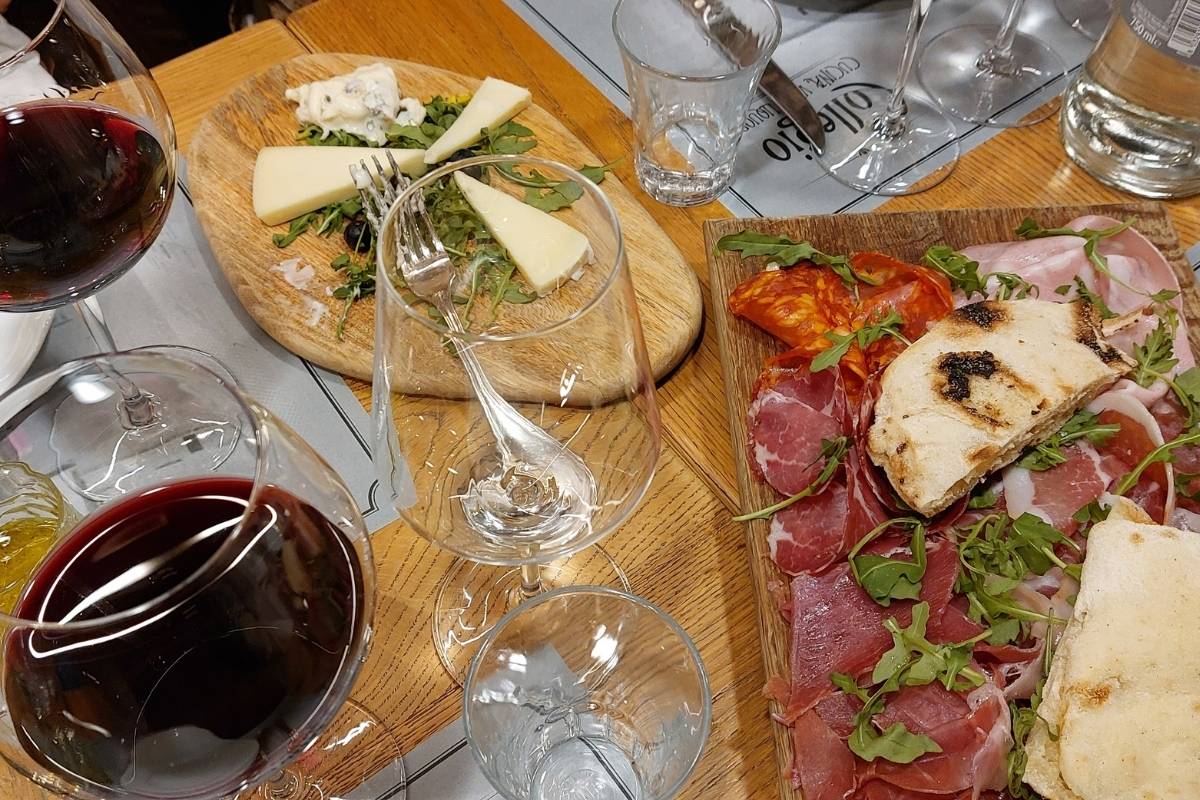
Now for the most enjoyable part: pairing wine with food. Food tasting follows a similar logic to wine tasting—we look at the dish, appreciate its colors, smell it, and finally taste it. When evaluating a dish, factors like richness, sweetness, and aromatic intensity all influence the choice of the right wine. A spicy dish, for example, may need a wine that balances its intensity, while a more delicate recipe might call for something lighter. Learning to play with these combinations is an art that opens the door to new flavors and sensations, turning every meal into a special occasion.
Taking part in a guided wine tasting
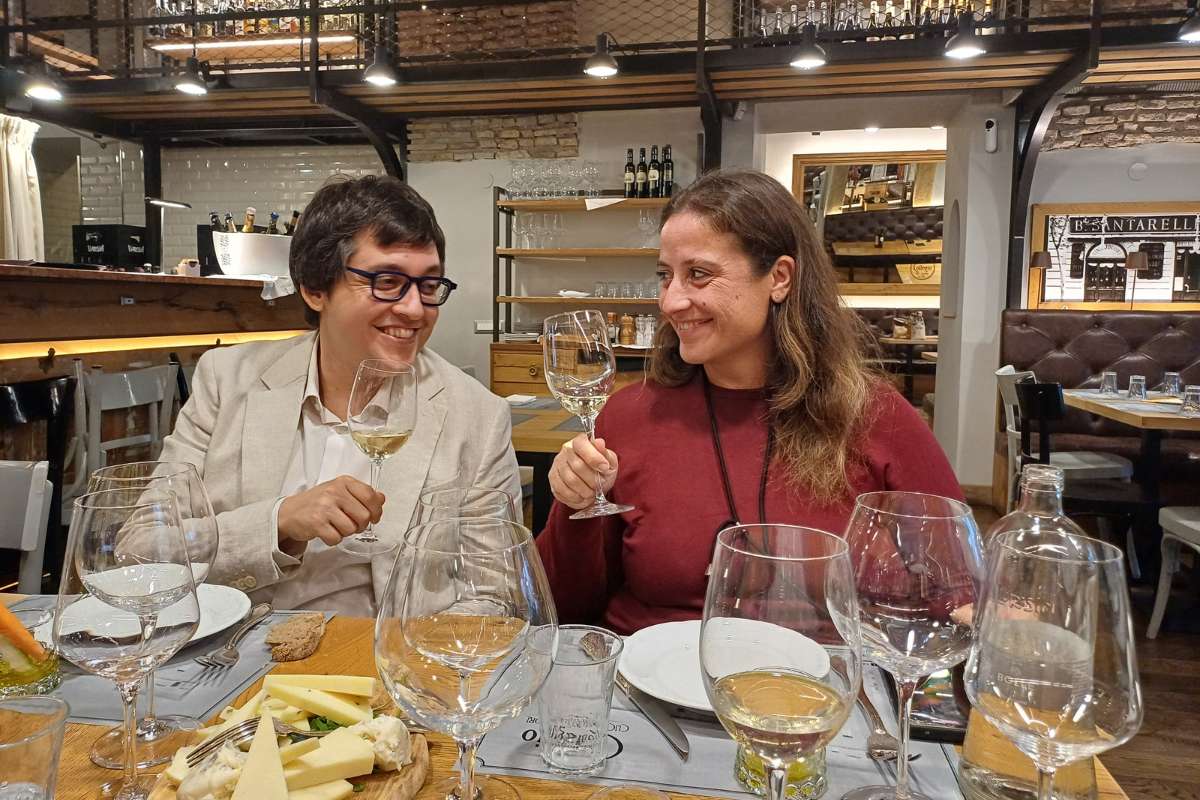
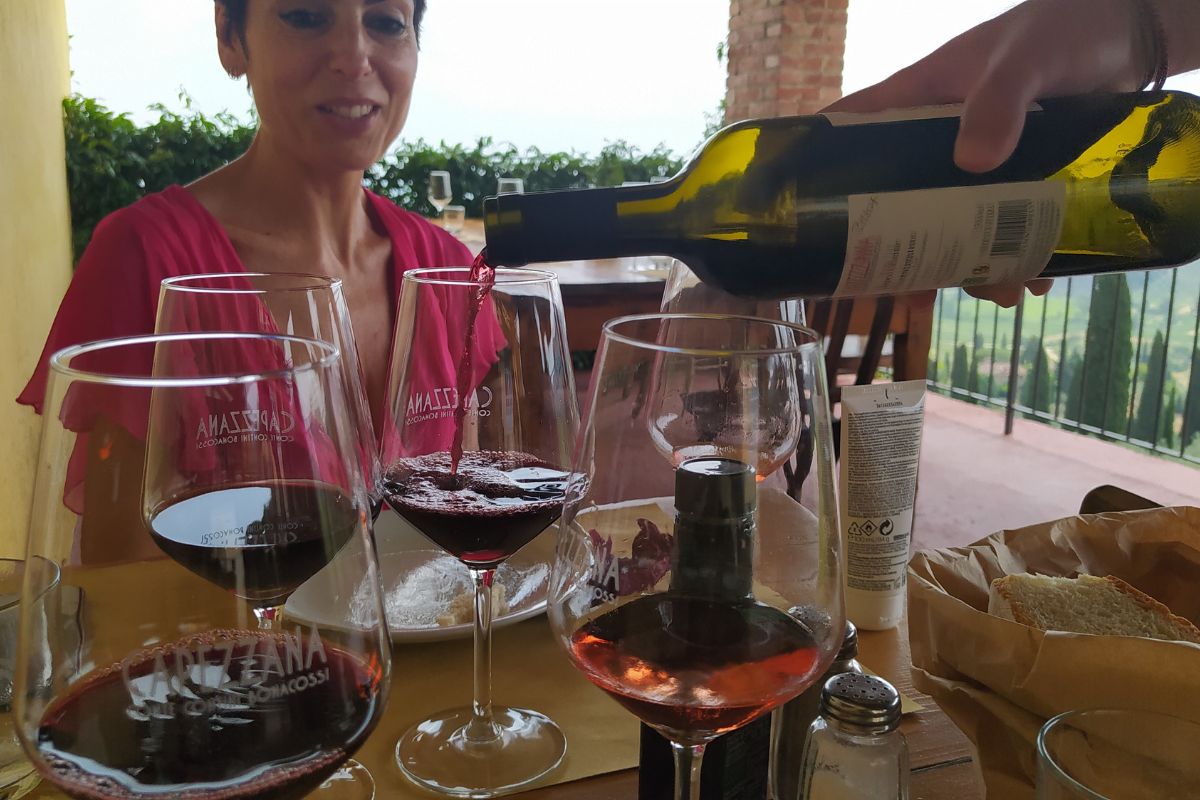
For those drawn to the world of wine but without the time or desire to attend a structured course, there are plenty of informal opportunities available. Guided tastings are a great option: you sample wines while learning the fundamental techniques. Since 2013, for example, we at Gourmetaly have been organizing guided wine dinners in Rome. During these evenings, four different wines are paired with four different courses. In a relaxed and friendly atmosphere, we talk about wine and territory, move on to tasting analysis, and then dive into the fun challenge of food pairing. What starts as a simple dinner becomes an opportunity to learn something new and to connect more deeply with the nectar of the gods.
What do you learn in a guided wine tasting?
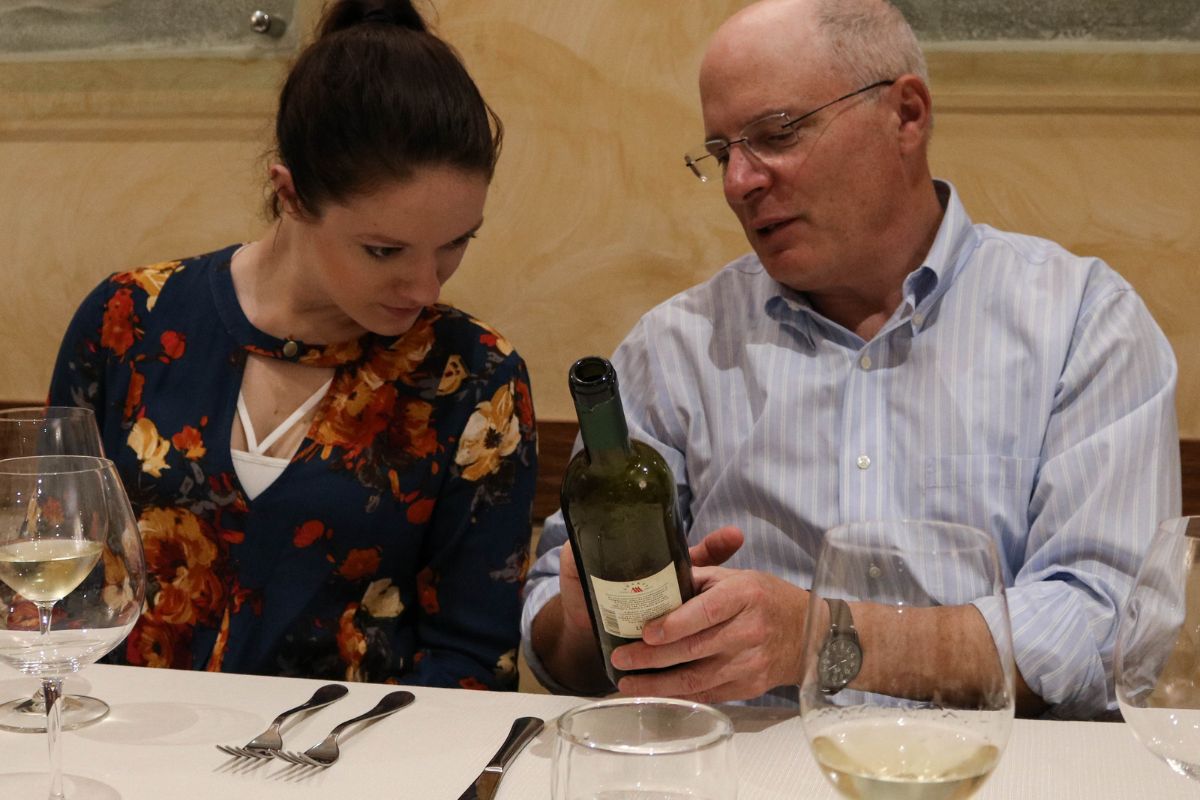
Of course, no one becomes a wine expert after just one guided tasting. But every time you focus a little more on a technique, a grape variety, or a pairing, new horizons open up. Tasting technique is all about learning to express an evaluation without being influenced by personal preference. In the world of wine, I like it and it’s good don’t always mean the same thing. Most of us would love to judge a wine’s quality beyond the fame of its label. It takes practice—and above all, an understanding of how our senses work. A guided tasting offers a first step into these topics and can be the perfect starting point before moving on to a more professional course.