Historical Insights: The Ancient Roots of Craft Beer
Historical documents and reports suggest that craft beer has a history as ancient as civilization itself.
The oldest known recipe we have for a fermented cereal beverage dates back to around 4000 B.C. No doubt, many early cultures, including the Mesopotamians and Egyptians, enjoyed craft beer.
Beer: A Name with a History
The term beer likely originates from the Indo-European root beru. This word was probably onomatopoeic, connected to the boiling sound produced during fermentation. In contrast, the British term ale, commonly used to refer to a family of high-fermentation beers, derives from the ancient Latin word alere, meaning to nourish. In many civilizations, beer played a vital role, often serving as a substitute for food and being regarded as a liquid source of nutrition. Meanwhile, the Spanish word cerveza traces its roots back to the ancient gallic language, which comes from the Colloquial Latin cerevisia. Cerevisia comes from the name Cerere refers to the goddess who protected harvests and agriculture.

Who Invented Beer?
This is a hard question to answer. The discovery of beer was likely accidental—perhaps the result of an ancient farmer leaving barley in water and later noticing the magical transformation that had occurred. As one of the oldest transformed foods in history, this beverage appears in ancient epics and the Hammurabi Code. One of the laws in this ancient Mesopotamian text declares that diluting beer was a crime punishable by death, which shows the importance of this drink in Babylonian society. Certainly, beer has successfully endured throughout the centuries, even though its taste and production methods have evolved.
Beer as Food
Beer has long been a dietary staple for ancient Egyptians, dating back to the era of the pharaohs. The ancient Egyptians had a motto that may sound surprisingly familiar to Christians: “The virtuous man offers beer to the thirsty and bread to the hungry.” This belief is understandable, as water back then was a common source of disease. Thus, safe alcoholic beverages were preferred over well water. Additionally, for many years, beer was also consumed by infants when mothers were unable to breastfeed. Still today, some people believe that moderate beer consumption can help new mothers increase their milk production, even though modern beer labels advise pregnant women to avoid alcohol consumption.
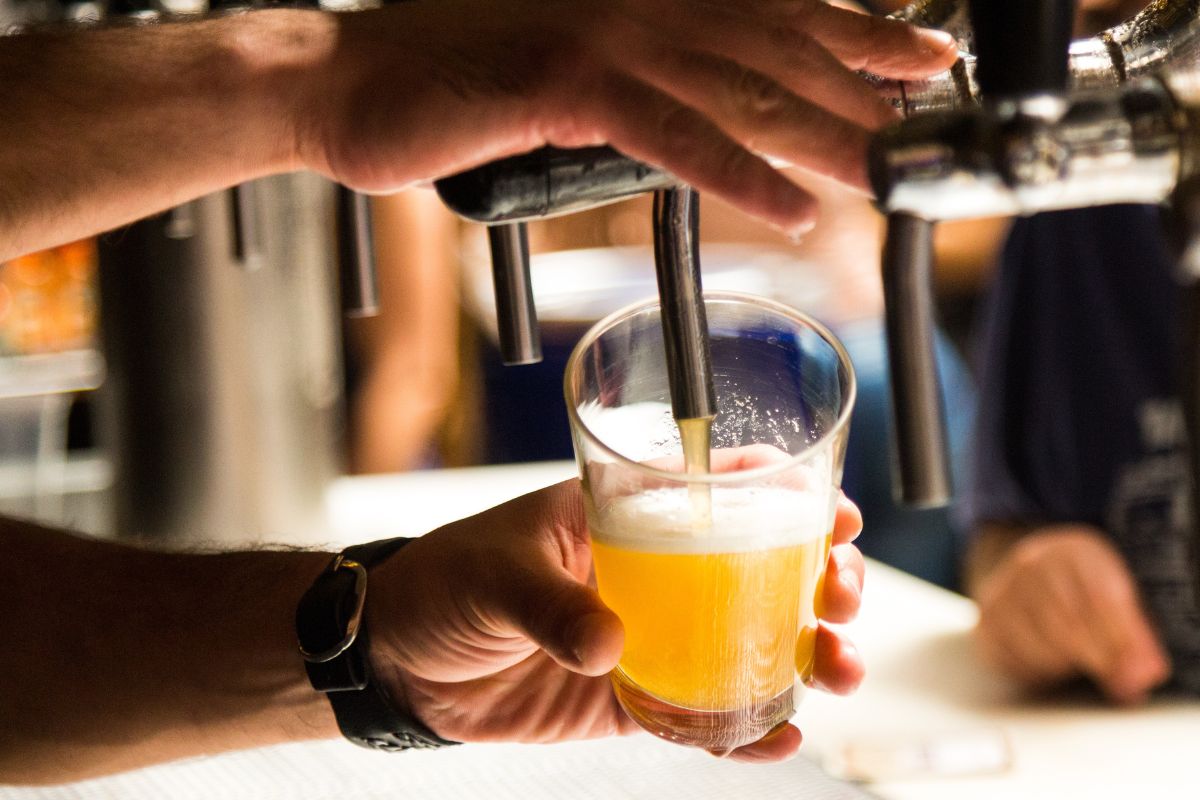
Craft beers need to be served in a specific way.
The Perception of Beer in Ancient Cultures
The ancient Greeks had a fondness for Egyptian beer, helping to spread this beverage throughout the Mediterranean region. However, they did not give the same respect to beer as they did to wine. The ancient Romans preferred wine over beer, and many intellectuals of the time, such as Tacitus and Pliny the Elder, criticized the fermented cereal drink. Beer, which the ancient Greeks referred to as barley wine, was viewed as a beverage for the lower classes and barbarians. Nevertheless, beer remained popular among the masses, and its reach expanded through trade. The use of barrels helped fuel this spread, making beer much easier to transport than wine. Even the Vikings consumed beer in significant quantities, despite their god, Odin, favoring wine in Valhalla rather than beer.

Ancient Beer vs. Modern Beer
The primary difference between ancient style beer and its modern counterpart lies in the absence of luppolo (hop). This ingredient was only introduced into the brewing process around 1100 A.C. Instead of hop, which adds significant flavor and balance to beer, ancient brewers commonly incorporated various additives. Ingredients such as spices, fruits, and honey were frequently used. With the arrival of hop, Humulus lupulus in Latin, craft beer became more stable and aromatic, benefiting from its antibacterial properties and enhancing its overall taste.
Beer Has a Saint Protector: Sant’ Arnold
The introduction of hops revolutionized the brewing process, largely thanks to the efforts of monks. Notably, the tale of Saint Arnold, also known as Saint Arnulf from Metz, highlights his role as the patron saint of brewers. According to legend, in the 15th century, this Benedictine monk utilized beer, made with hops buds, as a remedy for cholera-related ailments.

A Pint of Beer is a Dish for a King
These words are not our own; they belong to the great William Shakespeare. Speaking of beer, England was once the realm of Ale, which was traditionally brewed without hops. Indeed, the British were the last to embrace this new beer style, that gained popularity among Dutch traders. Its flavor was challenging to be accepted, as it represented a distinctly different lifestyle. However, whether resistant or not, within a few decades, this new beer became popular in England, ultimately winning over traditional Ale.
The Bavarian Beer Purity Law
Historically, beer quality was often compromised due to the use of subpar ingredients. Various tricks were employed to improve the flavor of the beverage, including the addition of honey, coriander, anise, and other aromatic herbs. While some of these ingredients were not too problematic, others, like animal secretions or wood, posed greater risks. This led Duke Wilhelm 4th of Bavaria to implement a purity law in 1516. The beer purity law stipulated that beer could only be brewed using barley, hops, and water. This regulation served a dual purpose: protecting consumers’ health and also curbing the importation of beer and cereals. Even today, numerous German craft brewers take pride in highlighting their exclusive use of barley on their labels.
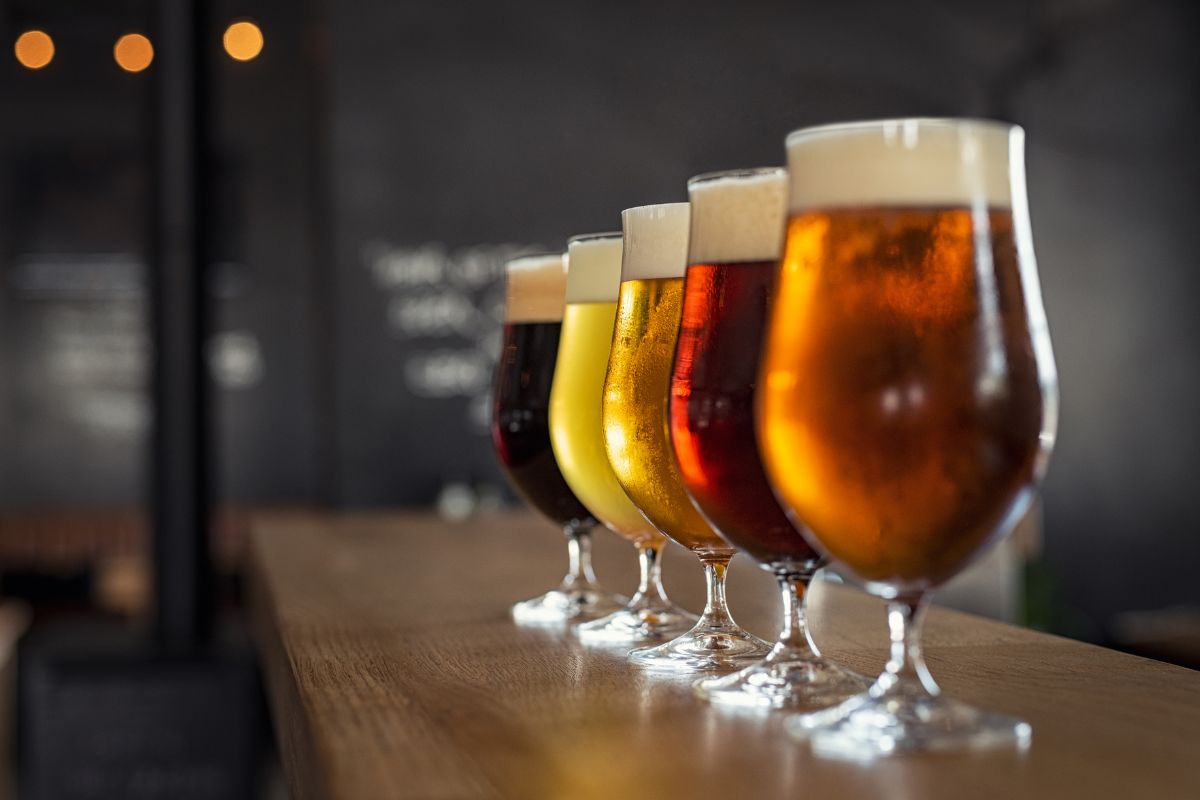
Beer Evolves with the Times
The emphasis on beer’s quality has fluctuated over time but is believed to have begun in convents during the Medieval era. Over time, brewers started to use quality ingredients to enhance and tailor beer to modern taste. Technological advancements also played a significant role in beer’s evolution. The low fermentation method introduced in the 19th century, the use of brewer selected yeast, and pasteurization all brought about substantial changes. Additionally, the ability to regulate fermentation temperature through artificial refrigeration has ensured the quality and preservation of modern beer.
Crafting Heritage: How Artisan Brewers Honor Their Roots
In summary, beer is a traditional beverage that has evolved from artisanal roots to industrial production. That’s why artisan brewers take great care to proudly highlight the ancestral roots of their philosophies in their marketing. Mostly, artisan beer is produced by independent brewers and typically avoids pasteurization and filtering. In Italy, there is an additional stipulation that artisan beers must be crafted using only local ingredients, aligning with current sustainability trends. Oh yes! There is marketing behind the scenes, but also passion and creativity.

The Success of Craft Beer
Craft beers are gaining popularity, particularly among new generations of drinkers and entrepreneurs. In a world dominated by strong and powerful multinationals, the small world of Italian artisan beercrafting is gaining more and more popularity. Not bad for a market that began just 25 years ago — especially in a country with relatively few beer enthusiasts. In Italy, a pint of beer costs more than in many other European countries. Unsurprisingly, craft beer comes with an even higher price tag. Regardless, Italians are certainly willing to spend a bit more for a non-standard product, as they seek the allure of unique flavors. Italy has 1300 artisan breweries, a number which increases every year. The success of this industry is celebrated annually on June 23rd, anticipating international beer day on August 4th.
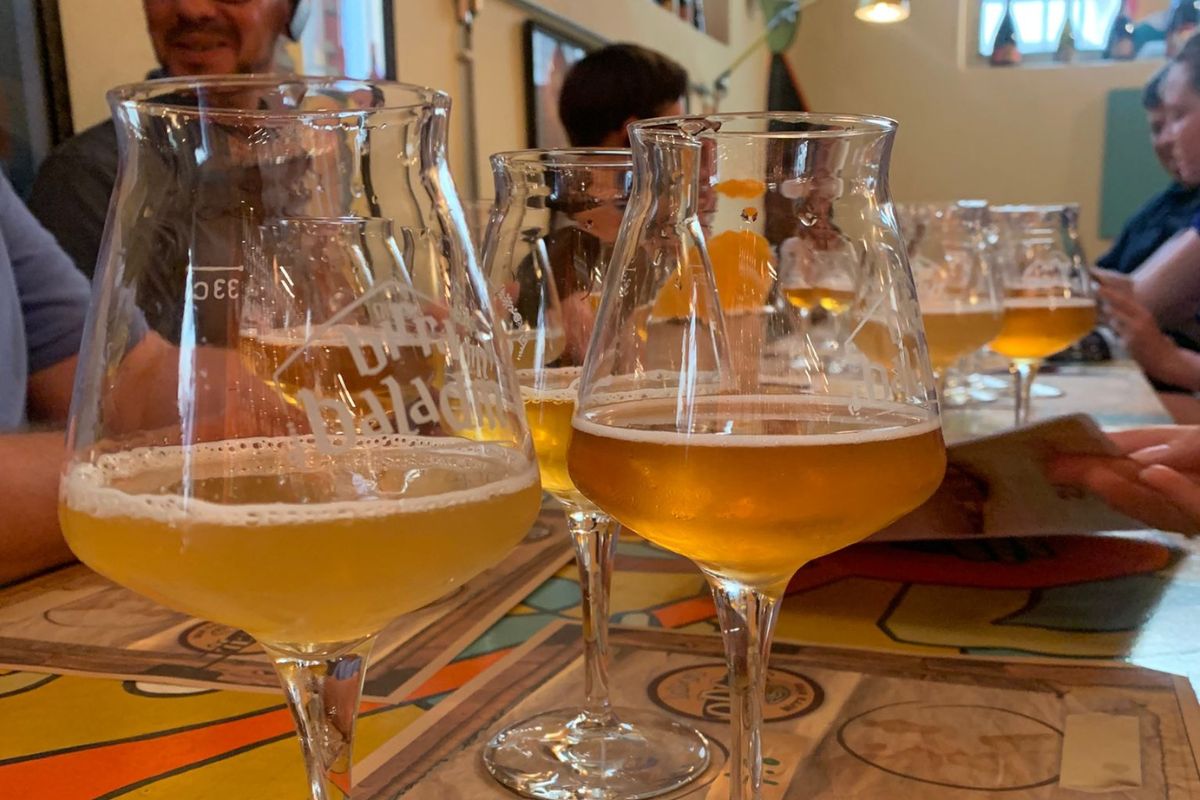
Where to Drink or Buy a Good Craft Beer in Rome?
Barley Wine – Quadraro district
Viale dei Consoli 115/117, Roma
Barbaro – Monteverde nuovo district
Viale dei Colli Portuensi 549/A, Roma
Birrifugio – Trastevere district
Via Federico Rosazza, 6, Roma
ECB ETERNAL CITY BREWING– Pisana suburb
Via del Ponte Pisano, 84, Roma
Luppolo Station – Trastevere district
Via Giuseppe Parini, 4, Roma
Museo Italiano della Birra Artigianale – City centre (Termini station)
Via Ventiquattro Maggio, 48, Roma
Ma che siete venuti a fà – Trastevere district
Via Benedetta 25, Roma
Open Baladin – City Centre (Campo de Fiori)
via degli Specchi 6, Roma
Officine della Birra – Trionfale district (Vatican)
Via Giordano Bruno, 25, Roma
Resaka Brewing Tribe – Garbatella district
Piazza Augusto Albini, 13, Roma
Enjoy your drinks in moderation and responsibly, treating yourself only to high-quality products. If you’re interested in a guided beer tasting in the city of Rome that will unveil all the secrets and techniques of tasting, feel free to reach out to us.