Florence Food Guide: The Most Important Protected Products and Traditional Dishes to Taste in Tuscany
When people think of Florence, they imagine Renaissance art, the Duomo, and Michelangelo’s David. But beyond its museums and architecture, Florence is one of Italy’s most authentic gastronomic destinations. Rooted in Tuscan rural tradition, Florentine cuisine is simple, bold, and deeply connected to high-quality local ingredients — many of them protected by DOP and IGP certifications. If you are planning a trip to Tuscany, this Florence food guide will tell you exactly what to eat.
 1. Bistecca alla Fiorentina – The Iconic Florentine Steak
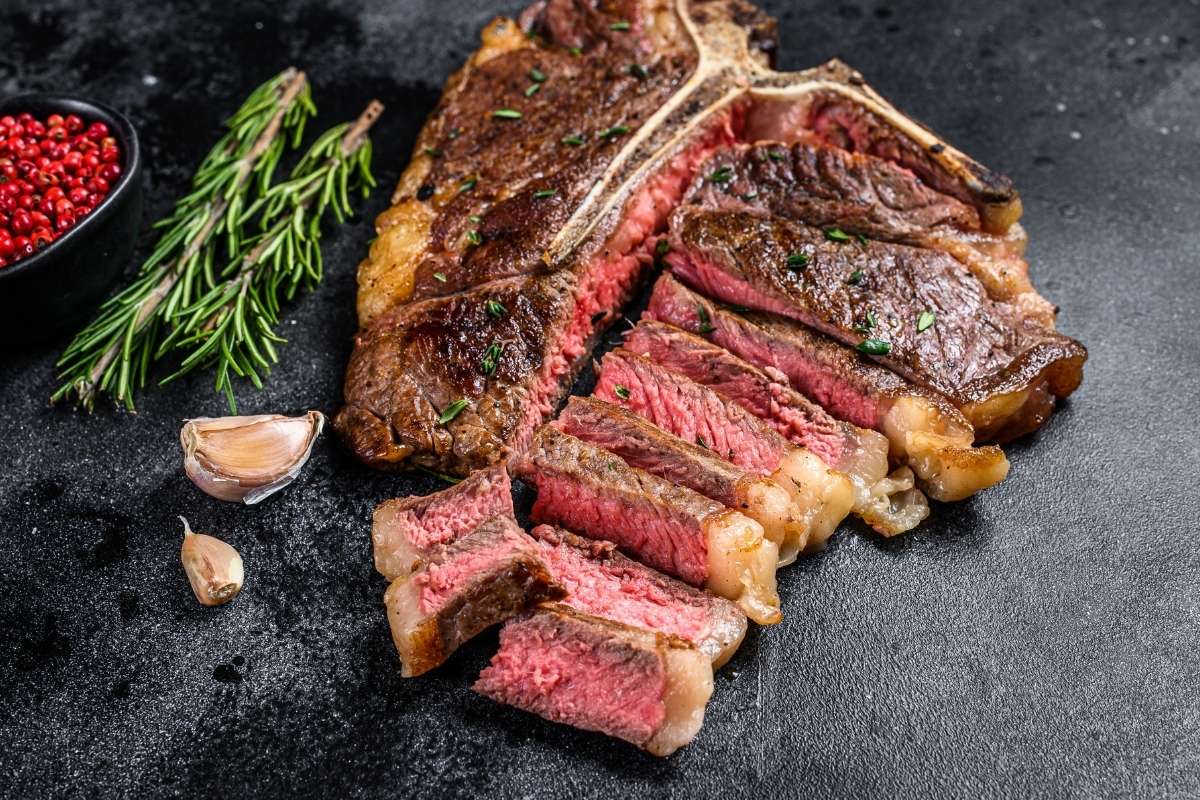 1. Bistecca alla Fiorentina – The Iconic Florentine Steak
No dish represents Florence more than the legendary Bistecca alla Fiorentina. Prepared from Chianina cattle (one of the oldest and largest breeds in the world), this thick T-bone steak is grilled over charcoal and served rare. Key characteristics?Minimum thickness: 3–5 cm, Cooked rare (“al sangue”), Seasoned simply with salt, pepper, and Tuscan olive oil. It is not just a steak — it is a ritual of Tuscan identity.
2. Toscano Extra Virgin Olive Oil DOP – Liquid Gold of Tuscany
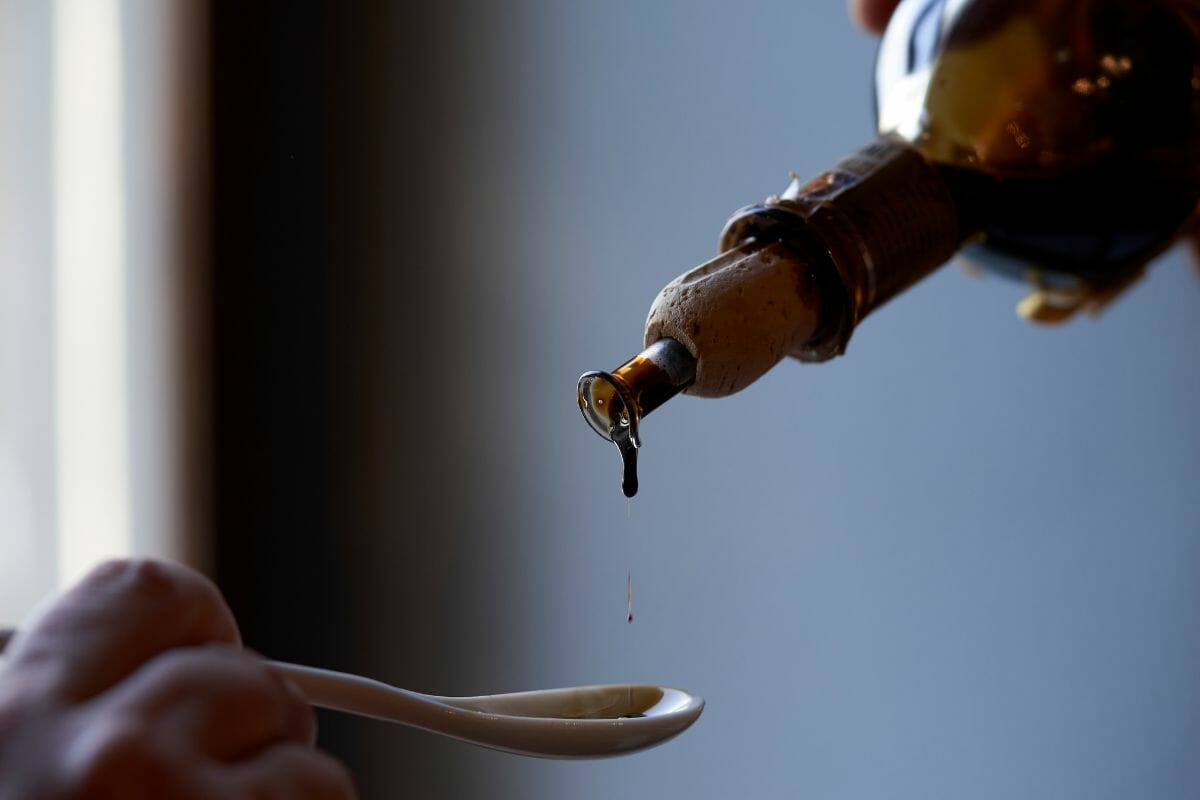
One of the region’s most important protected products is Toscano DOP extra virgin olive oil. Produced across Tuscany, including the hills around Florence, it is known for its intense green color, herbal, artichoke-like aroma, Peppery finish. Tuscan cuisine relies heavily on olive oil — drizzled over bread, beans, grilled meat, and soups.
3. Pecorino Toscano DOP – The Sheep’s Milk Tradition
 3. Pecorino Toscano DOP – The Sheep’s Milk Tradition
Another cornerstone of Florentine gastronomy is Pecorino Toscano. Made from sheep’s milk, it comes in two main styles: Fresh (soft, delicate) or aged (firmer, more intense). It pairs beautifully with Tuscan honey, pears, and local wines.
4. Finocchiona IGP – Florence’s Fennel Salami
A distinctive Tuscan cured meat is Finocchiona. Flavored generously with fennel seeds, this salami dates back to the Renaissance era and reflects the region’s love for aromatic herbs. Its soft texture and bold flavor make it perfect with unsalted Tuscan bread.
 5. Chianti Classico DOCG – The Wine of the Florentine Hills
Florence sits in the heart of the Chianti wine region. The most prestigious denomination is Chianti Classico DOCG, identifiable by the Black Rooster symbol. Made primarily from Sangiovese grapes, it offers red cherry and violet notes, balanced acidity and elegant tannins. It is the perfect pairing for Bistecca alla Fiorentina.
6. Ribollita and Tuscan Bread – The Art of Simplicity
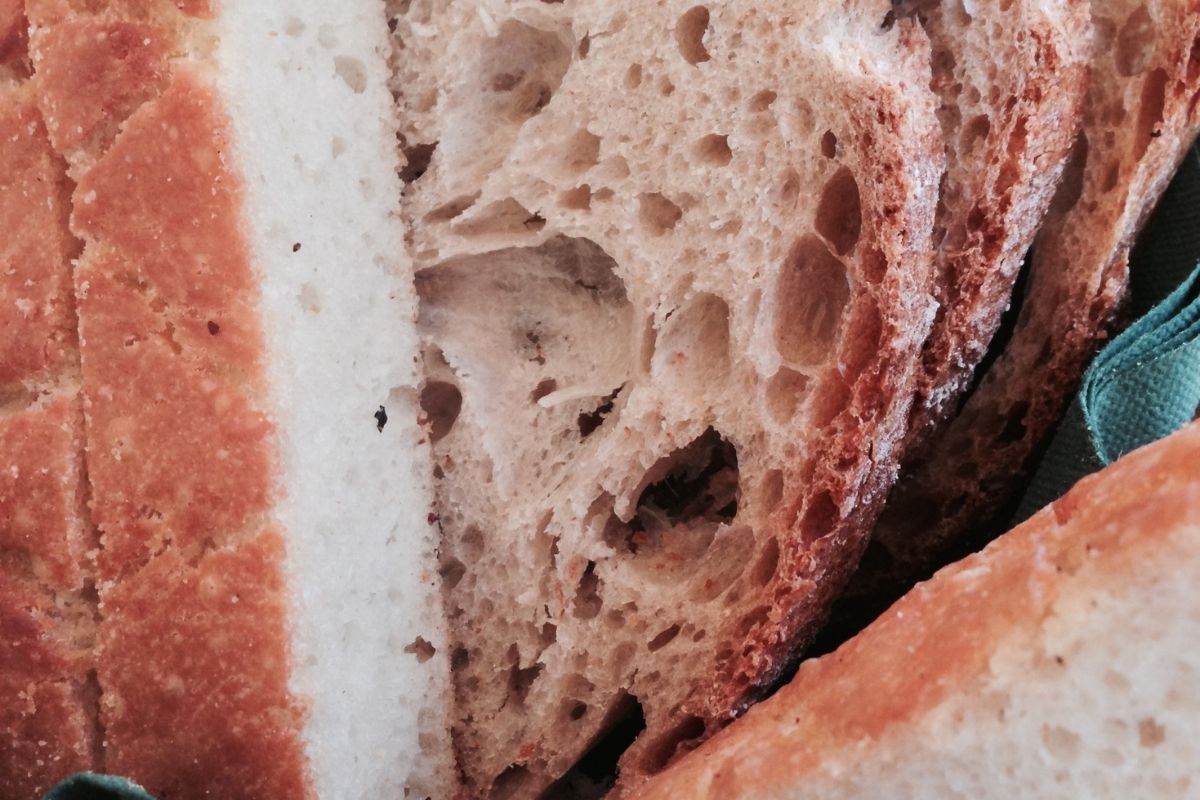
Florentine cuisine is rooted in cucina povera — the art of transforming humble ingredients into extraordinary dishes. Ribollita, a thick soup made with beans, black cabbage (cavolo nero), and stale Tuscan bread, is a winter classic. Traditional Tuscan bread is famously saltless — a historical choice dating back to medieval salt taxes — making it ideal to accompany flavorful cured meats and cheeses.
Why Florence Is More Than an Art Destination
 Why Florence Is More Than an Art Destination
While Florence is globally known for the Cathedral of Santa Maria del Fiore, its culinary culture is equally historic. Markets like Mercato Centrale showcase the region’s finest ingredients, from truffles to fresh pasta, while traditional trattorias preserve centuries-old recipes. Florence proves that Tuscan gastronomy is based on three pillars: Exceptional raw ingredients, respect for seasonality. minimal intervention in cooking.
Planning a Food Trip to Florence?
 Planning a Food Trip to Florence?
A true Florence food experience should include:
- A traditional Florentine steak dinner
- Olive oil tasting in the Tuscan hills
- Pecorino and Finocchiona pairing
- Chianti wine tasting in the countryside
- A visit to Mercato Centrale