Milan–Cortina 2026 Winter Olympics: Food for Kings and Queens of the Ice
Athlete nutrition during the Milan–Cortina 2026 Winter Olympics is a crucial part of the overall organization.
Menus are designed to optimize athletic performance, and Italy has taken a closer look at what’s being served at Casa Italia.
Meals for Peak Performance
In the Olympic villages of Milan and Cortina, thousands of tailored meals are prepared every day. Carefully designed to provide athletes with the right balance of carbohydrates, proteins, and micronutrients. From the reassuring plate of pasta — the kind that would earn an approving nod from any Italian grandma — to more “podium-ready” options. Such as white meats and fish. Everything is complemented by fresh fruit and virtuous salads capable of cheering up even the strictest diet. For these Olympics, the nutrition program has been meticulously planned well in advance. After all, no one wants a hungry athlete while they’re chasing world records.
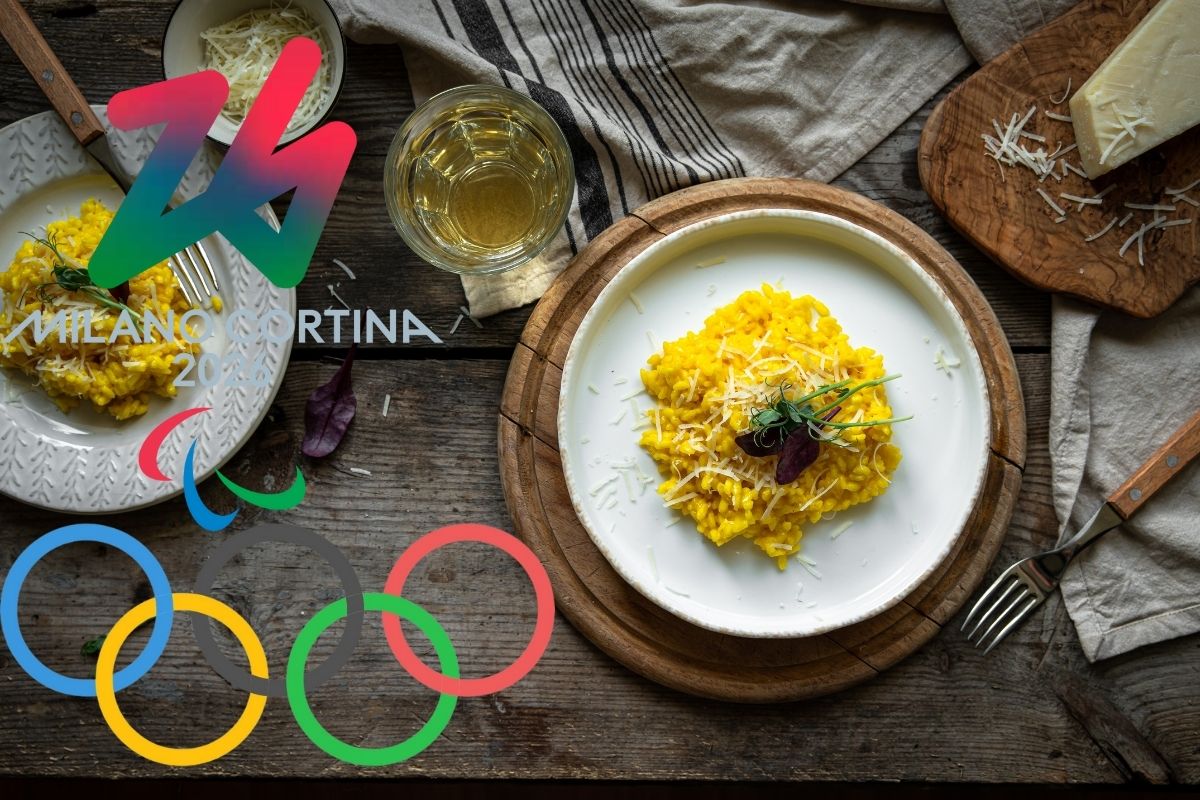
Risotto alla Milanese Recipe
Ingredients: 320g Carnaroli rice, 1g Saffron pistils, 1 small onion, 50g Butter, 1L Meat broth, 50g Parmigiano Reggiano, ½ glass white wine.
Method: Toast the rice with chopped onion and butter. Deglaze with white wine. Gradually add hot broth, stirring constantly. Add saffron halfway through. Once cooked, remove from heat and cream (“mantecare”) with cold butter and Parmigiano.
Olympic Catering and Italian Cuisine
Picture the heart of the Olympic action, where champions don’t just ski, jump, and race — they also indulge in iconic Italian dishes. Italy’s beloved cuisine takes center stage, celebrated worldwide not only for its flavor but also for its balanced nutritional profile. And what’s on the menu in this paradise of taste? Pizza, pasta, lasagna, and gnocchi — irresistible classics that win everyone over. Not everyone will take home a medal, but everyone will remember these Olympics for their style and flavor.

Tiramisù (The Energy Booster)
Ingredients: 500g Mascarpone, 4 fresh eggs, 100g sugar, 300g Savoiardi (Ladyfingers), 6 cups espresso, cocoa powder.
Method: Beat yolks with sugar and mascarpone. Whip egg whites until stiff and fold in. Dip Savoiardi in cold coffee, layer them in a dish, cover with cream. Repeat. Dust with cocoa and chill for 3 hours.
Athletes have fallen in love with Italian cuisine — and with good reason.
Taste matters, but balance matters too. These dishes are rich in high-energy carbohydrates, ideal for those facing intense physical challenges. And that’s not all: proteins such as chicken, turkey, and fish provide essential support for demanding training schedules. To complete the picture, there are plenty of side dishes — colorful seasonal vegetables. Plus, a wide range of healthy snacks available at any hour, day or night. A true Olympic banquet, guaranteed to whet the appetite.
Personalization and Local Culinary Culture for Athletes
Beyond standard offerings, Olympic catering reflects cultural diversity and athletes’ specific dietary needs. Menus include vegan, vegetarian, gluten-free, halal, and kosher options. In select venues such as Casa Italia, top Italian chefs curate menus that combine local flavors. Including risottos, polenta, and traditional Alpine recipes — with nutritional principles developed by sports dietitians.
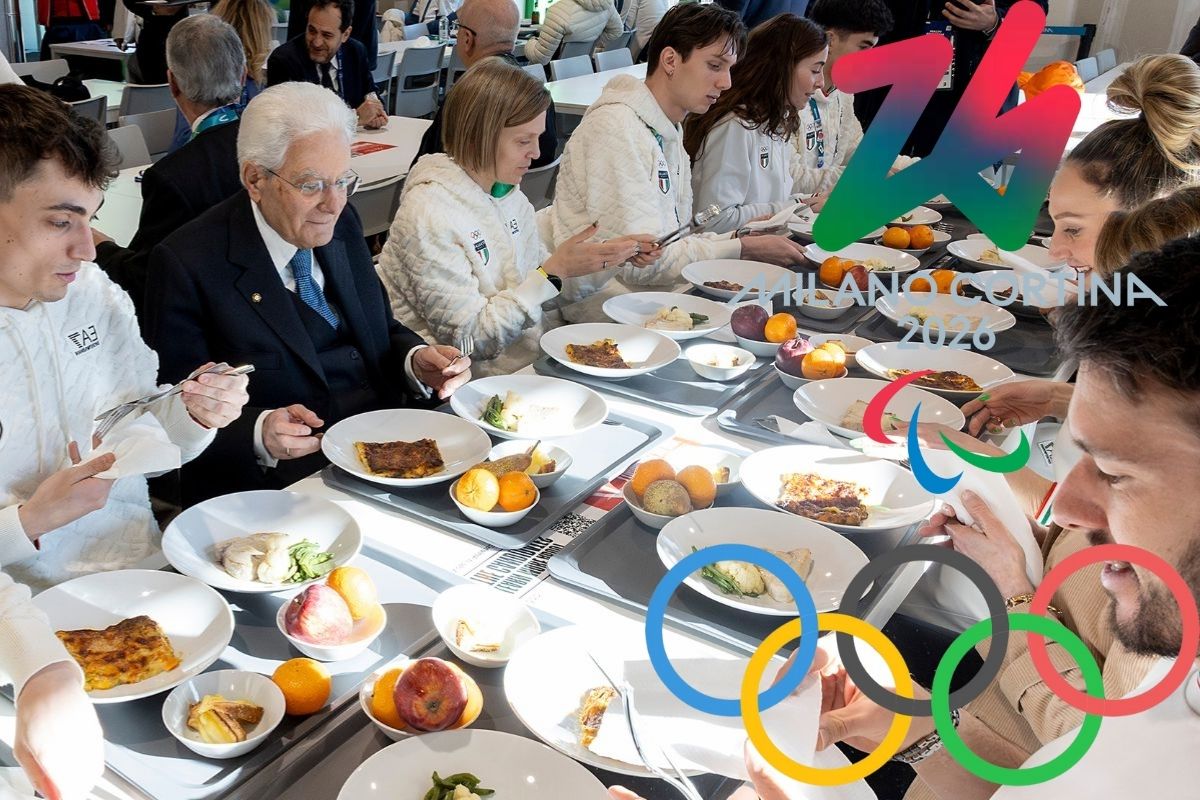
What Olympic Athletes Eat and Their Favorite Dishes
Food choices often reflect individual strategies. For example, some athletes opt for very simple, easily digestible carbohydrate-rich meals before competitions to maximize available energy, such as plain rice or pasta with minimal seasoning. Others, away from competition days, indulge in richer dishes or even the famous Italian gelato as a celebratory dessert after a race. This blend of technical nutrition and moments of gastronomic pleasure creates a balance between physical demands and cultural enjoyment.
- Davide Oldani – Coordinating chef of Casa Italia’s gastronomy and Sport & Food Ambassador. Known for his contemporary yet accessible cuisine at D’O restaurant in Cornaredo, he is also responsible for the culinary offering at the Milan’s Triennale. His approach blends modern techniques with classic Italian ingredients.
- Graziano Prest – A historic Cortina-based chef with extensive international experience and a Michelin star. He leads the Casa Italia kitchen in Cortina d’Ampezzo, drawing on his deep knowledge of Alpine culinary traditions.
- Fabio Pompanin – A native of Cortina d’Ampezzo is a veteran of Olympic kitchens (PyeongChang, Tokyo, Beijing, Paris, and now Milan–Cortina). He interprets the flavors of the Dolomites and Italian cuisine with great respect for raw ingredients.

Meanwhile in Milan During the Olympics…

The city is buzzing with Olympic excitement. Between aperitivi and selfie hunts with Olympic stars, Milan’s chefs unleash their creativity with themed dishes. One standout is Parisi’s Milan–Cortina risotto, titled “Rice, Snow, and Smoke”, destined to become the gastronomic symbol of the 2026 Winter Olympics. This risotto tells the story of Italy’s mountains through authentic flavors, identity-driven ingredients, and a cuisine that looks to the future without ever forgetting its roots. At L’Alchimia, risottos inspired by the colors and flavors of Lombardy and the Dolomites take center stage. Cactus Milano offers a plant-based Olympic breakfast, while the Olympic Red Flame cocktail — inspired by the torch itself — adds a spirited finishing touch.
Traveling to Italy for the Winter Games?
Keep in mind that most international flights land in Rome Fiumicino. Before you head north to the snowy slopes of Cortina, seize the opportunity to explore the roots of Italian culinary history. Join our AWARDED FOOD TOURS OF ROME to taste the gold standard of Carbonara before cheering for the gold medals.