Parmigiano Reggiano: Inside Italy’s Most Iconic Cheese (and Why You Should Experience It in Person)
When travelers think of Italian food, pasta and pizza usually come to mind first. But if you want to understand the true soul of Italian gastronomy, you have to start with one ingredient: Parmigiano Reggiano.
At Gourmetaly, we believe that food is not just something you taste—it’s something you experience. And few products tell a richer story than this extraordinary cheese, still made today exactly as it was nearly 1,000 years ago.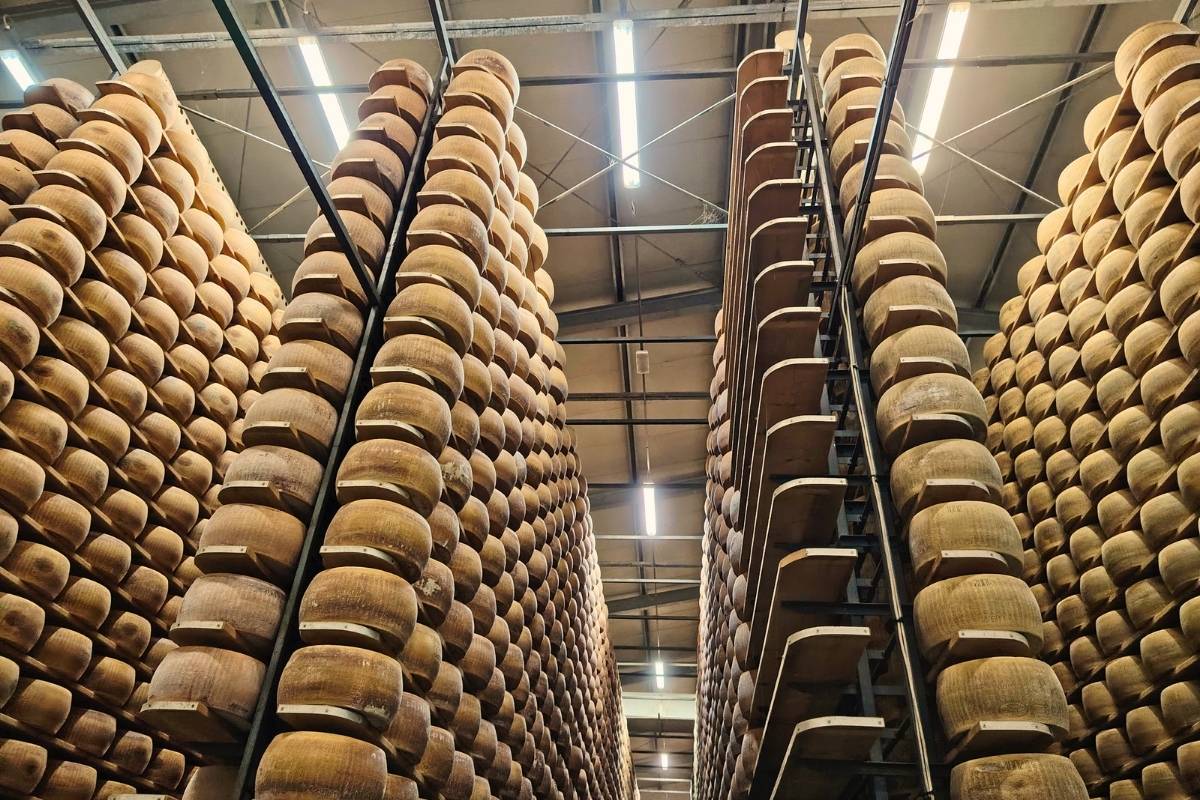
A Cheese Born from Its Land
Parmigiano Reggiano is not just made in Italy. It can only be produced in a very specific area of Northern Italy, including provinces like Parma and Reggio Emilia. This is not a marketing detail—it’s everything.
The grass the cows eat, the air, the climate, and the centuries-old know-how all come together to create a product that cannot be replicated anywhere else in the world. That’s why it carries the prestigious PDO (Protected Designation of Origin) status. On italian products you will read DOP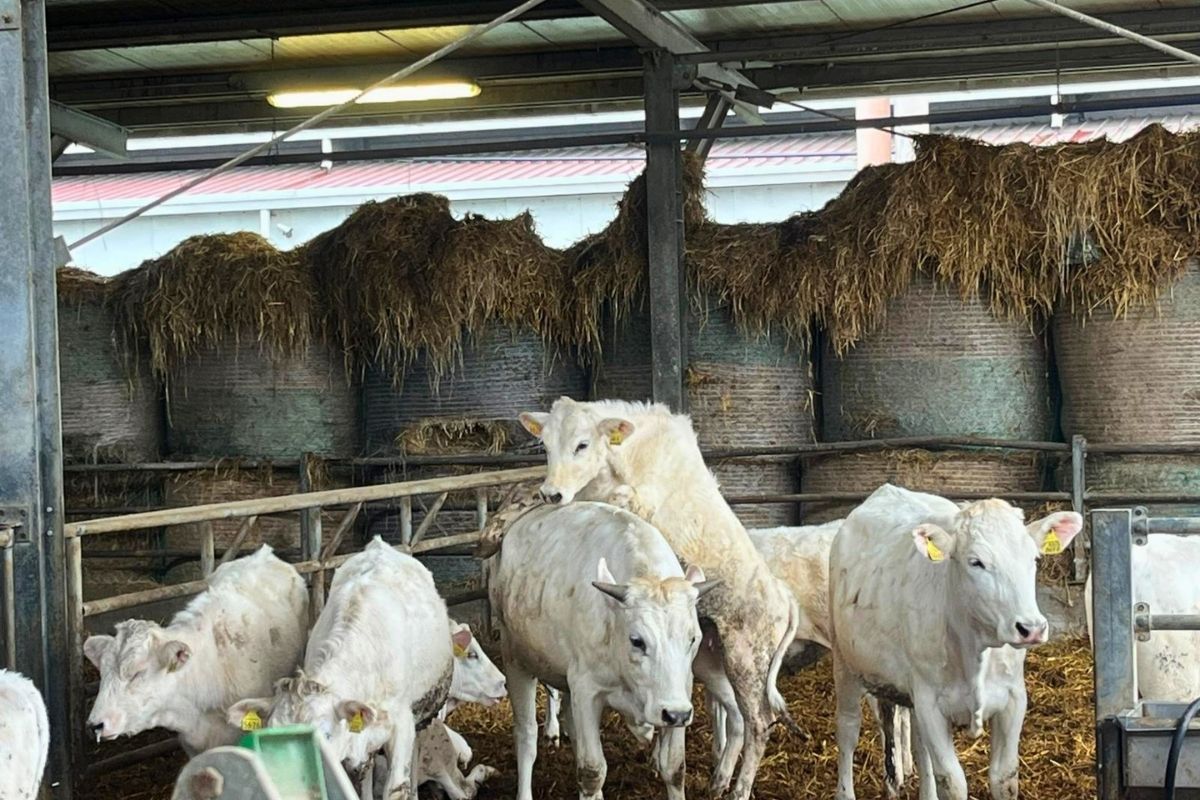
The Simplicity That Makes It Exceptional
One of the most surprising things about Parmigiano Reggiano is how simple it is. Only three ingredients are used:
- raw milk
- salt
- natural rennet
That’s it. No additives. Zero preservatives. No shortcuts. But behind this simplicity lies an incredibly precise and disciplined process, regulated by strict production rules that every producer must follow.
The Art of Cheesemaking
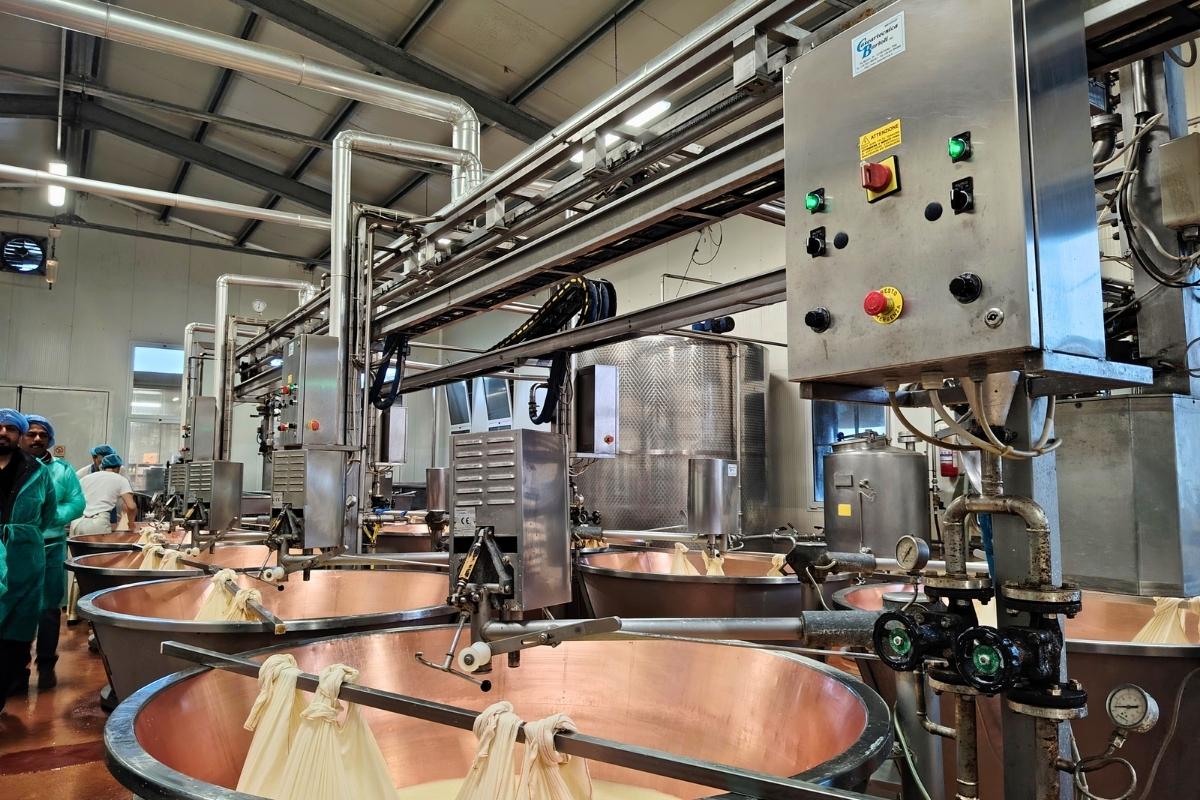
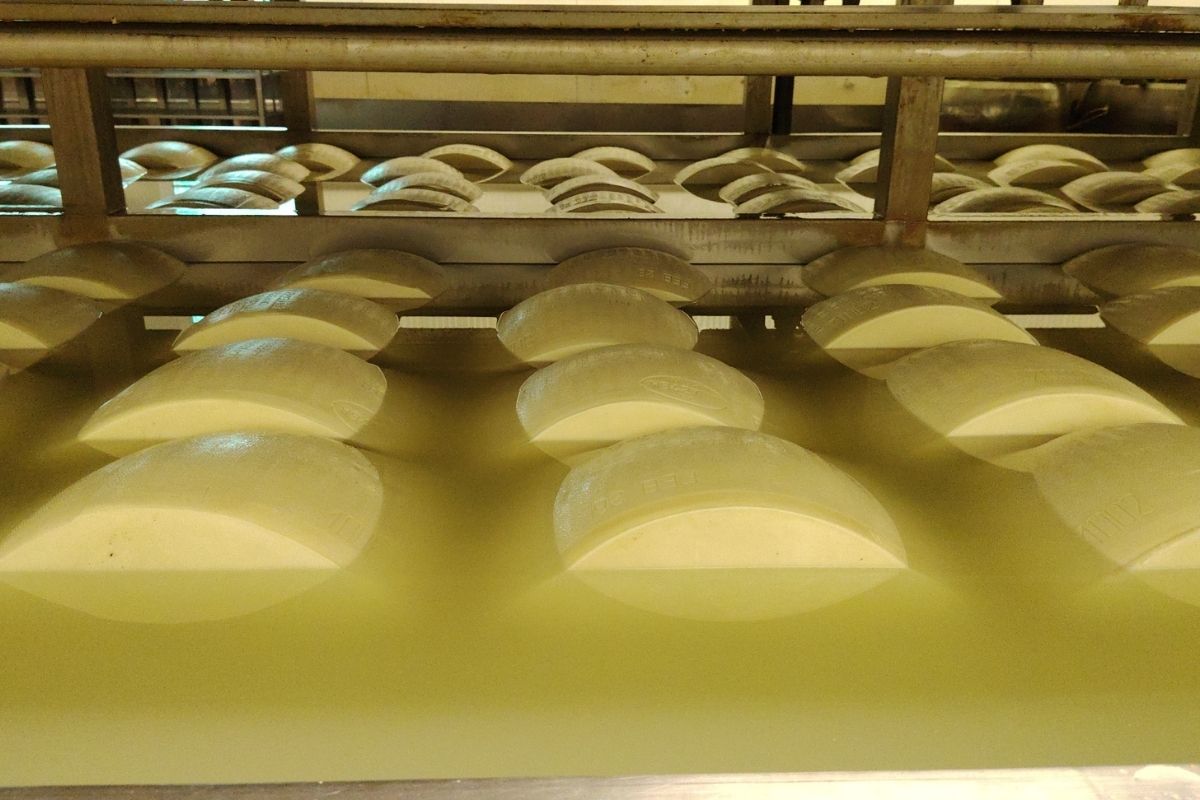
Every morning, in traditional dairies, cheesemakers transform fresh milk into Parmigiano Reggiano. Using copper vats and natural whey starter. The process is entirely artisanal:
- the milk coagulates naturally
- the curd breaks into tiny granules
- it is cooked, settled, and carefully lifted by hand
- each batch becomes two large wheels
Each wheel is then placed into molds that imprint its identity—a kind of edible passport that guarantees its origin. Watching this process live is like stepping back in time.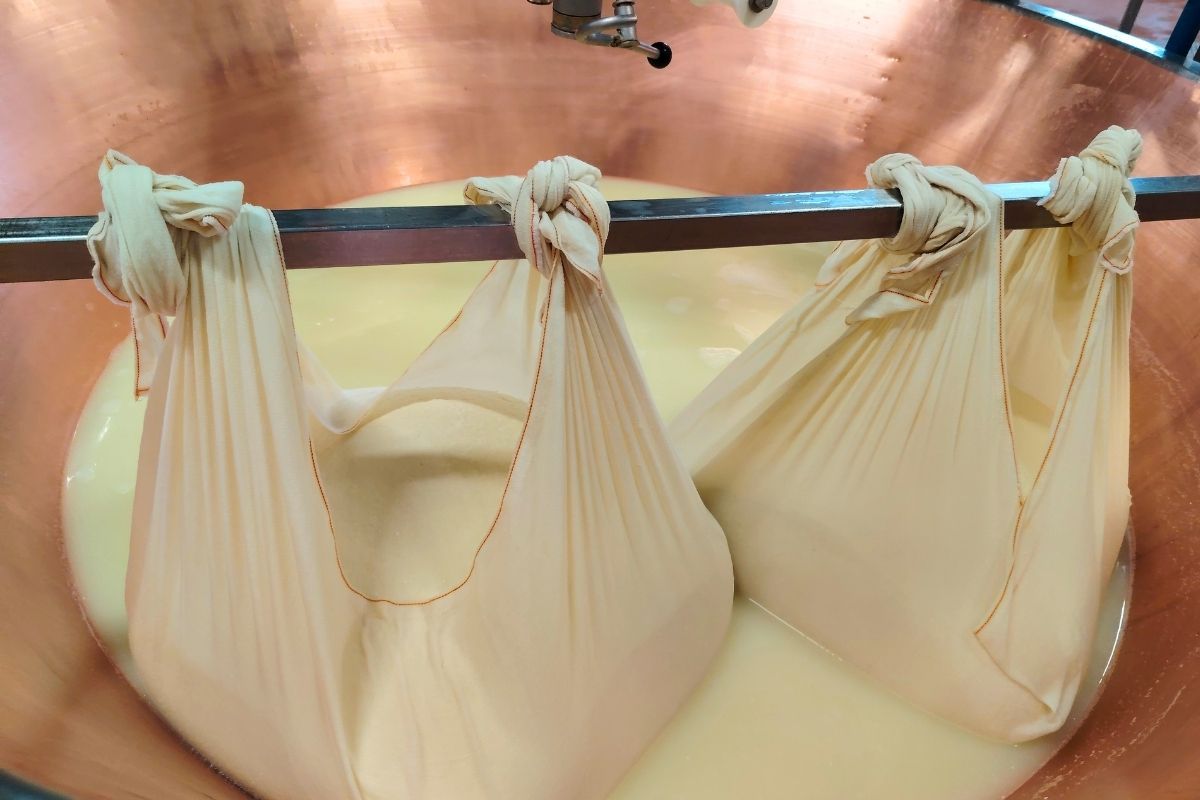
Time: The Secret Ingredient
After production, the wheels are immersed in brine and then left to age for a minimum of 12 months—often much longer.
During this time:
- flavors intensify
- textures become more complex
- the famous crunchy crystals develop
Experts inspect each wheel after one year. Only those that meet the highest standards receive the official fire-branded mark. Anything less? It simply cannot be called Parmigiano Reggiano.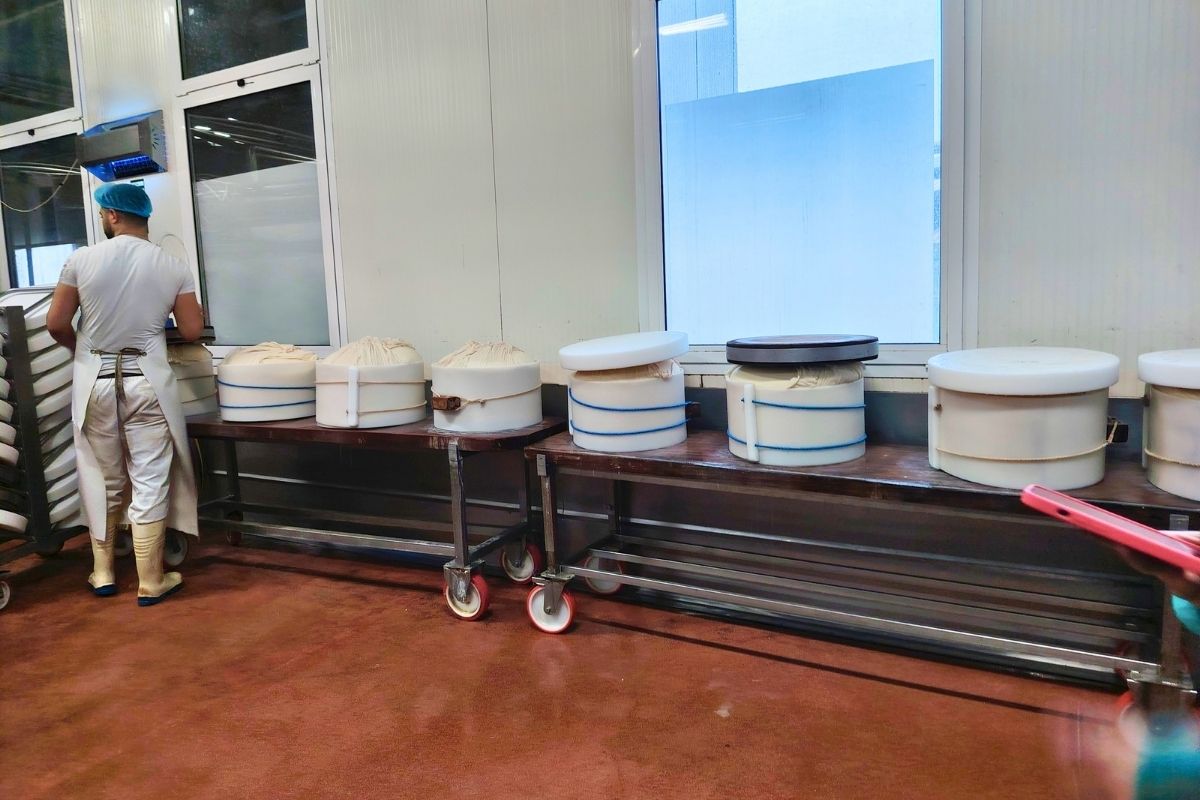
Why Tasting It in Italy Changes Everything
You can buy Parmigiano Reggiano almost anywhere today. But tasting it in Italy—at the source—is a completely different experience. When you visit a dairy, indeed, you don’t just taste cheese. You:
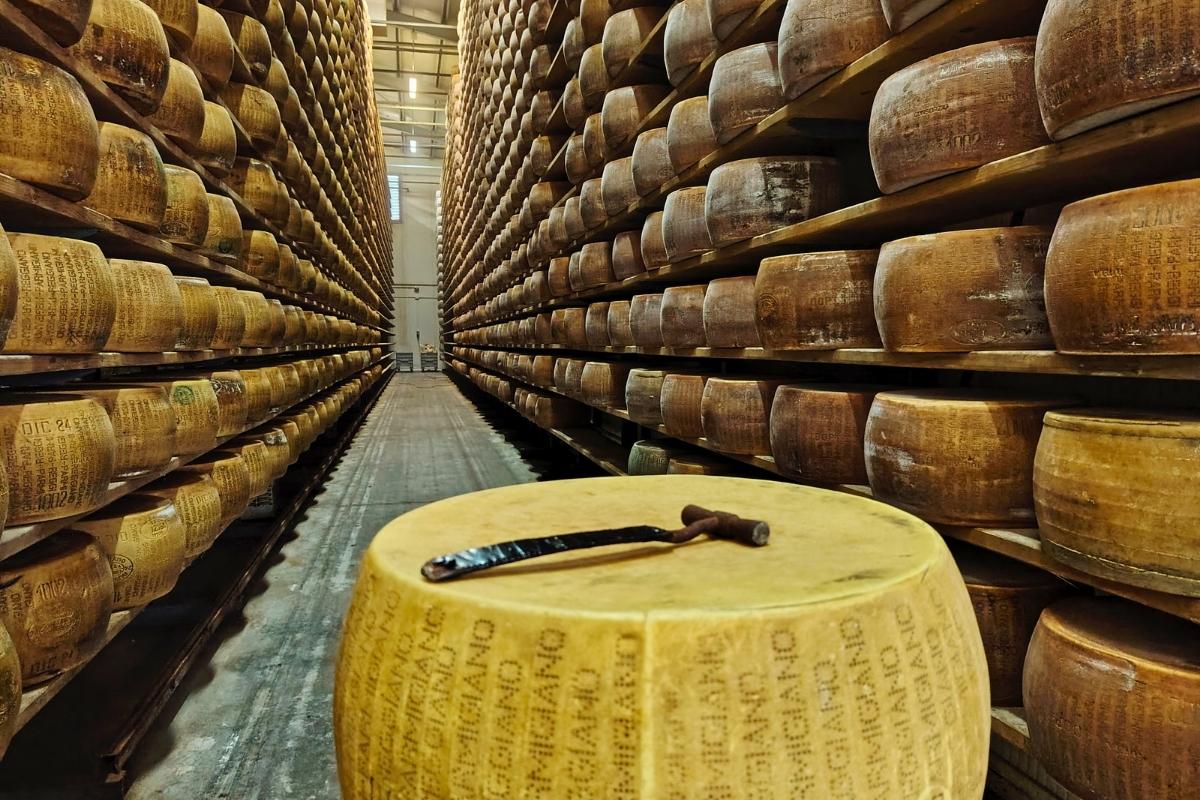
- walk into aging rooms filled with thousands of wheels
- meet the people who make it every day
- understand the rules and traditions behind every bite
- taste different aging stages side by side
Suddenly, what seemed like a simple ingredient becomes a story of craftsmanship, patience, and culture.
A Perfect Experience for Food Lovers, Families, and Teams
A Parmigiano Reggiano experience, therefore, is not just for foodies. It’s for anyone who wants to connect with authentic Italy.
- Couples love the intimacy of artisanal production
- Families discover something educational and delicious
- Corporate groups find it a unique and engaging team-building activity
It’s hands-on, memorable, and deeply Italian.
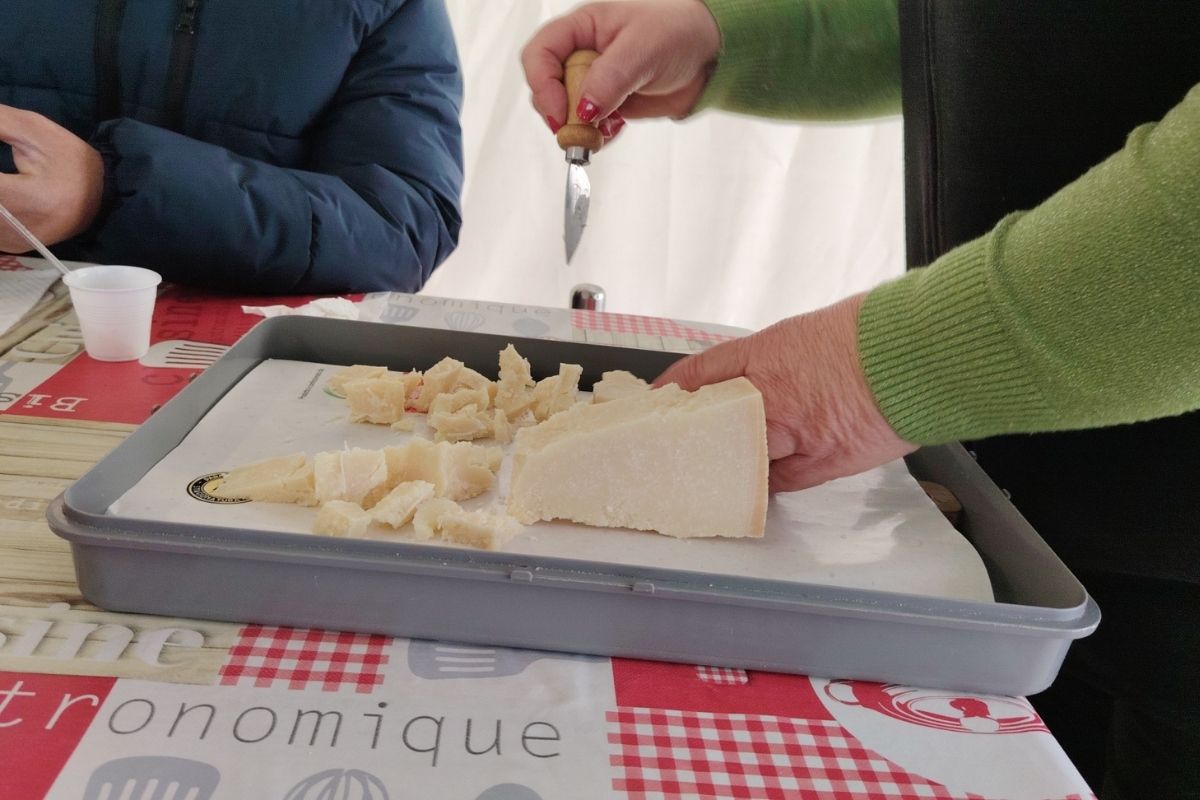
HOW TO TASTE PARMIGIANO REGGIANO: Tasting Menu
12 Months — The Young Expression
Profile: Fresh · Milky · Delicate
Texture: Smooth, slightly elastic
Tasting Notes:
Light aromas of yogurt and fresh butter, with a gentle sweetness.
Pairing:
Fresh fruit (apple, pear)
Rustic bread
Light white wine

24 Months — The Classic Balance
Profile: Nutty · Rich · Structured
Texture: Granular, beginning to crumble
Tasting Notes:
Notes of dried fruit, broth, and melted butter. The perfect harmony of sweet and savory.
Pairing:
Ideal for pasta & risotto
Medium-bodied red or structured white
Aged sourdough

48 Months — The Gourmet Intensity
Profile: Complex · Umami · Persistent
Texture: Crumbly with crunchy crystals
Tasting Notes:
Deep flavors of spice, toasted nuts, and umami. Long, powerful finish.
Pairing:
Acacia honey or aged balsamic
Nuts (walnuts, almonds)
Full-bodied red wine or meditation wine
How to Taste Parmigiano Reggiano
- Look at the texture (color & crystals)
- Smell the evolution of aromas
- Taste from youngest to oldest
- Notice how time changes everything
Ready to Experience It Yourself?
At Gourmetaly, we design experiences that go beyond tasting. We connect you with the people, places, and traditions behind Italy’s most iconic foods. Starting from here, therefore, if you want to truly understand Italian cuisine. Starting with a Parmigiano Reggiano discovery: a product of everyday use.
Gourmetaly Food Experiences: Come hungry. Leave inspired