The Roman Ottobrata: When Rome Celebrated Autumn with Wine, Food and the Saltarello
There was a time when October in Rome tasted of new wine.
Summer was finally over, the heat had become more bearable, and the countryside surrounding the city was once again a place to enjoy. It was time to leave the city walls behind, head for the vineyards and taverns, eat, drink, sing and dance. It was time for the Roman Ottobrata, one of the liveliest traditions of old Rome. Today, when Romans talk about an ottobrata romana, they usually mean that almost magical spell in autumn when Rome still enjoys bright skies, warm sunshine and surprisingly mild temperatures.
But once upon a time, the Ottobrata was something much more serious. It was a celebration.

Everyone Out of Town: The Ottobrata Begins
Between the 18th and 19th centuries, especially on Thursdays and Sundays in October, small and large caravans would set off from Rome’s historic districts towards the countryside.Some people walked, some travelled in elegant carriages, while others climbed aboard the traditional carrettelle, small carts pulled by horses decorated for the occasion with bells and ornaments. The women riding in the carrettelle wore their finest clothes and hats decorated with flowers and feathers. Beside the driver often sat the bellona, the beauty queen of the group, while the other young women were known as minenti. The men followed on foot, singing, joking and making music along the way. Favourite destinations included the vineyards between Monteverde and Porta San Pancrazio, the countryside beyond Porta San Giovanni and Porta Pia, and the meadows beyond Ponte Milvio. And, of course, Testaccio.
Testaccio and the Wine Catacombs
To understand why Testaccio became one of the favourite destinations for the Ottobrate, we need to look beneath the Monte dei Cocci — literally, the Hill of Shards. Monte Testaccio was created in ancient times by the accumulation of enormous quantities of broken amphorae, particularly containers used to transport oil and wine into Imperial Rome. The hill, more than 50 metres high, around which the neighbourhood later developed, was essentially an enormous ancient open-air dump. Over the centuries, caves were excavated into its slopes. The particular structure of the hill helped maintain suitable temperatures inside these caves for storing wine. They became famous as genuine wine catacombs.

And what better place could there be to celebrate the Ottobrata?
People came here to eat and, above all, to drink the wine stored in the cellars. Testaccio became one of the great centres of Roman popular entertainment.
What Did Romans Eat During the Ottobrata?
There could be no Ottobrata without a great table laden with food. And this is where we find many of the dishes that we still immediately associate with Roman cuisine today. There were gnocchi, tripe, beef garofolato, turkey, roast lamb or abbacchio a scottadito, and coda alla vaccinara — Roman-style oxtail — served with sautéed broccoli or chicory. It was simple, hearty food, based on humble ingredients and flavoured with the herbs and aromas of the Roman kitchen garden: garlic, onion, celery, rosemary, bay leaves, basil and mentuccia, Roman wild mint.
And then, of course, there was wine.
Not simply something to accompany the meal, but one of the true protagonists of the day. Eating and drinking together meant celebrating the end of the grape harvest while, at the same time, escaping the routines and hardships of everyday life.
Rich and Poor, Together for a Day
One of the most fascinating aspects of the Ottobrata was its ability to involve virtually the whole of Rome. Common people and aristocrats alike took part. Some noble families even opened their villas to the city. Villa Borghese, for example, became one of the settings for autumn festivities, with games, music and entertainment. For ordinary Romans, however, taking part in the Ottobrata could require a considerable investment. You needed the right clothes, food and drink and, if possible, enough money to hire a carrettella.
Contemporary accounts even tell of Romans willing to pawn their belongings at the Monte di Pietà rather than miss the festivities. Because you simply had to be seen at the Ottobrata.
It was an opportunity to show off, meet people and, at least for a few hours, become someone else. The Ottobrata: A Little Autumn Carnival. It is hardly surprising that the Ottobrata has often been compared to Carnival. In both celebrations, everyday life was temporarily suspended. People ate and drink more than usual, dressed up, joked and celebrated, while some of the normal social boundaries seemed, for a few hours, to disappear. The more distant origins of the festival have also been associated with ancient agricultural and harvest celebrations and with the world of Bacchus and Dionysus. It is difficult to establish a direct line of continuity between the rituals of antiquity and the Ottobrate of modern Rome.
But the connection is fascinating: the grape harvest as a moment of collective celebration, wine, dancing and a temporary escape from the rules of everyday life.

The Saltarello dance: first eating, then dancing
After the food and wine, it was time to dance. The saltarello was one of the most popular folk dances in 19th-century Rome. It was danced in taverns and outdoors, accompanied by tambourines and guitars. As its name suggests, its most distinctive feature was the jump: quick steps, arm movements, turns and improvisation transformed the dance into something resembling a playful courtship. The Museo di Roma in Trastevere preserves extraordinary visual evidence of this tradition, including scenes of Roman popular life immortalised in the prints of Bartolomeo Pinelli. For foreign visitors arriving in Rome, the Ottobrata must have been an extraordinary spectacle: carriages, decorated horses, women dressed in their finest clothes, music, wine and people dancing in the fields. Even Giacomo Casanova wrote about taking part in an Ottobrata in Testaccio, remembering it as a wonderful day.
When Did the Roman Ottobrate Disappear?
Between the end of the 19th century and the first decades of the 20th, that world slowly began to disappear. Rome was growing. The vineyards and countryside close to the city walls were gradually swallowed up by urban expansion. Many of the old taverns disappeared, while new forms of transport made a trip beyond the city walls less exceptional than it had once been. But above all, the society that had created the Ottobrata was changing. The tradition survived in popular memory and found new expressions in the grape festivals of the Castelli Romani, the wine-producing hill towns surrounding Rome.
And it survived in art as well.
 Does the Roman Ottobrata Still Exist?
 Does the Roman Ottobrata Still Exist?
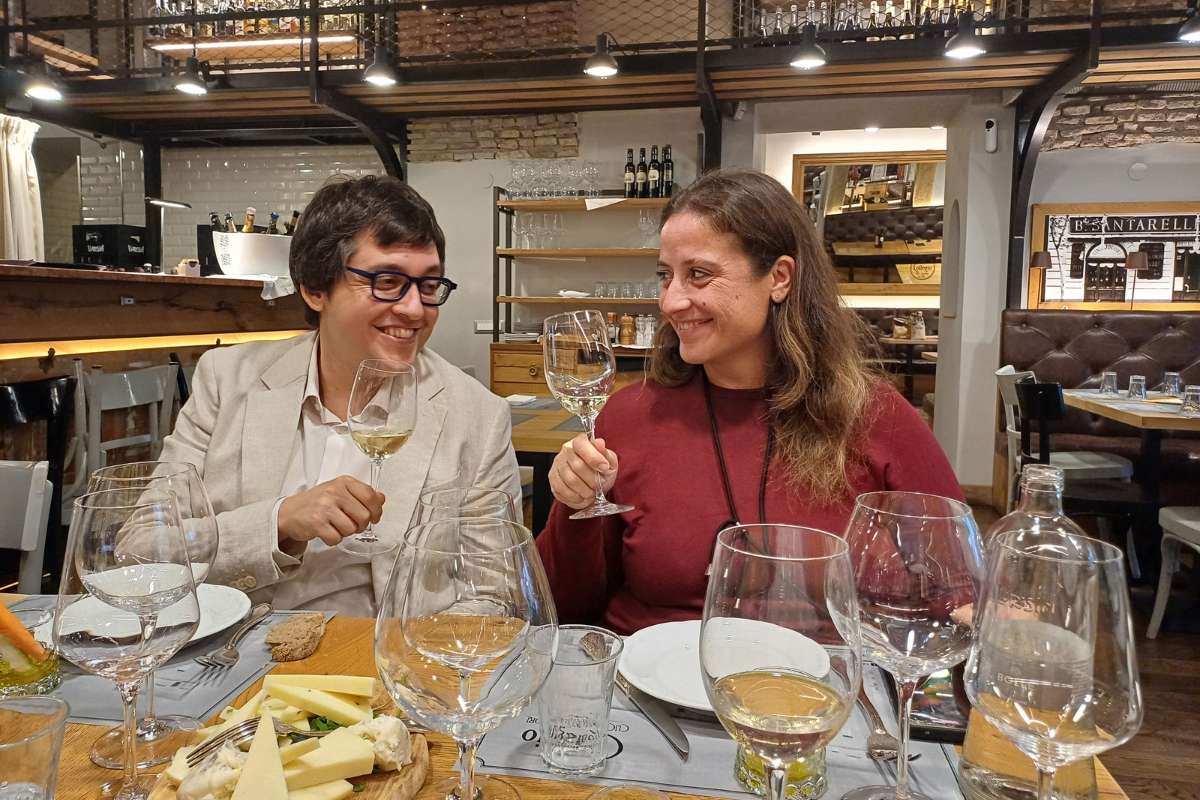
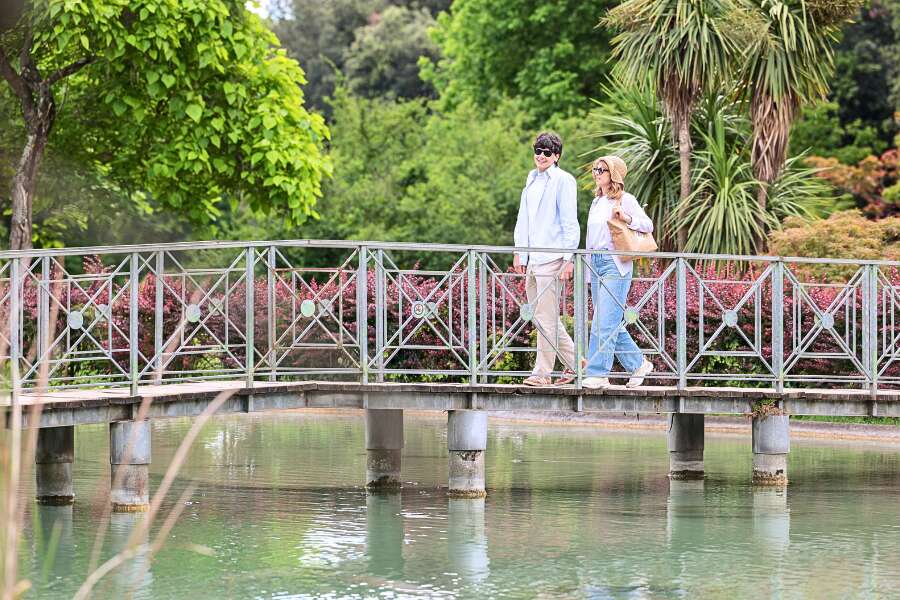
In a way, yes. We no longer leave Rome’s historic districts aboard decorated carrettelle, and it is unlikely that anyone today would pawn their bed to buy a new outfit for the Ottobrata. But spend a beautiful October day in Rome and it is easy to understand why this tradition was born here. The sun becomes gentler. The light changes. After the intense heat of summer, you want to walk again, sit outside, gather around a table and share a glass of wine. Perhaps that is the real secret of the Ottobrata. It was never simply a celebration of the grape harvest.
It was Rome celebrating Rome: its wine, its food, its countryside, its people, and that wonderfully Roman ability to turn an ordinary day into an occasion to be together. So, if you are in Rome in October, do what Romans would have done two hundred years ago. Go outside. Take a walk. Eat something Roman. And raise a glass of wine. The Ottobrata can begin.